Independent living offers freedom, dignity, and the comfort of remaining in a familiar environment. For many older adults and individuals with mobility or health considerations, the desire to stay in one’s own home remains strong. At the same time, safety concerns can create anxiety for both residents and their families. Advances in smart home technology now offer practical ways to reduce risk, enhance awareness, and support daily routines without sacrificing independence. When thoughtfully selected and properly implemented, these additions can make independent living safer and more sustainable over time.
Smart Monitoring That Respects Privacy
One of the most significant developments in home safety is smart monitoring designed to protect without intruding. Modern systems can track activity patterns, detect unusual inactivity, and alert caregivers only when something is genuinely wrong. Unlike traditional cameras, many of these tools rely on motion sensors, door sensors, and data trends rather than video feeds.
This type of monitoring supports safety while preserving privacy and autonomy. Family members gain reassurance knowing they will be notified if routines change suddenly or if doors open at unusual hours. For the person living independently, this technology feels supportive rather than invasive. It acts as a quiet safety net that works in the background without disrupting daily life.
Fall Prevention and Emergency Response Solutions
Falls are one of the most common safety risks in the home. Smart technology offers multiple ways to address this concern proactively. Wearable devices with fall detection can automatically alert emergency contacts if a sudden fall occurs. These devices are lightweight and increasingly comfortable, making them easy to incorporate into everyday life.
Beyond wearables, smart flooring sensors and voice activated emergency systems add layers of protection. A simple spoken command can summon help if reaching a phone is difficult. These solutions help reduce the response time in emergencies, which is often critical for recovery and outcomes. When combined with home modifications such as improved lighting and decluttered walkways, smart systems greatly reduce the impact of unexpected incidents.
Lighting, Climate, and Environment Controls
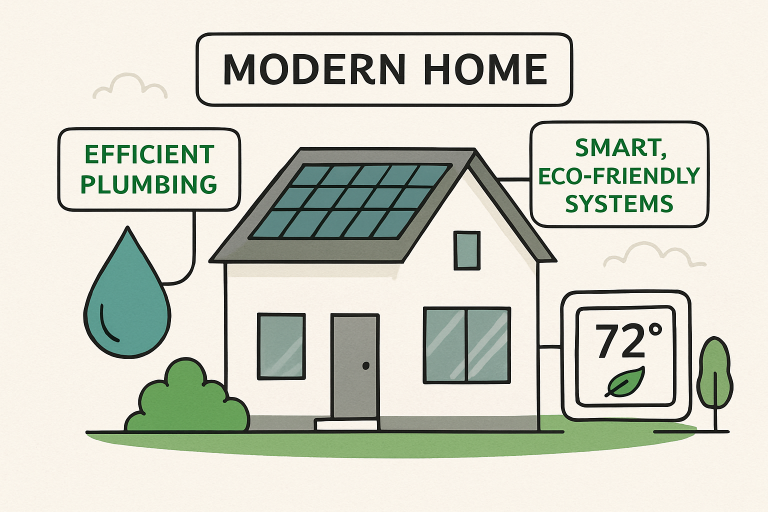
Environmental factors play a major role in home safety. Poor lighting contributes to trips and falls, while inconsistent temperatures can affect comfort and health. Smart lighting systems automatically adjust brightness based on time of day or motion, ensuring that hallways, bathrooms, and entryways are always well lit when needed.
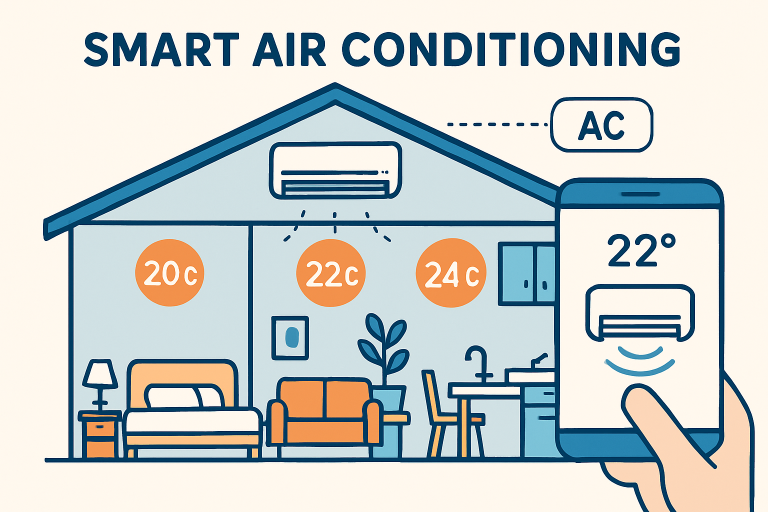
Climate control systems that learn user preferences help maintain stable indoor conditions. These tools reduce the need to adjust thermostats manually and prevent rooms from becoming too hot or too cold. Voice control and mobile apps allow adjustments from anywhere in the home or beyond it. Simple environmental automation removes small daily challenges that can otherwise add up to risk or discomfort.
Medication and Routine Support Through Technology
Managing medications and daily routines grows more complex with age. Smart home tools can help create reliable structure without feeling rigid. Automated medication dispensers release the correct dosage at the scheduled time and send reminders if a dose is missed. Alerts can also notify caregivers when assistance may be needed.
Routine support extends beyond medication. Smart calendars, voice assistants, and reminder systems help with appointments, hydration, meals, and exercise prompts. These technologies support cognitive wellness by reducing the mental load required to remember multiple tasks. The result is more confidence in daily independence and fewer missed steps that could affect health.
Connecting Smart Homes With Broader Care Options
While smart home additions are powerful on their own, they are even more effective when aligned with broader care planning. Some individuals use smart technology as a way to extend the period they can live independently before transitioning to a supportive community. Others integrate these tools while receiving outside services such as home health care.
Exploring environments like Discovery Village Southlake can help families understand how technology fits into a full spectrum of independent and assisted living options. Seeing how safety features, staff support, and community resources work together often provides clarity about the next steps. Smart home additions do not replace human connection, but they can complement it by enhancing communication and awareness.
Choosing the Right Smart Home Additions
Not every device suits every home or lifestyle. Selecting the right additions starts with an honest assessment of needs and comfort with technology. Consider physical abilities, cognitive preferences, and the level of interaction the resident wants with devices. Simplicity and reliability matter more than having the most advanced system available.
Professional installation and ongoing support are also important. Systems should be easy to maintain and update, with clear instructions and responsive customer service. Involving both the resident and trusted family members in the setup process increases adoption and satisfaction. The goal is to create an environment that feels supportive rather than complicated.
Maintaining Independence Through Confidence and Control
Safety is closely linked to confidence. When individuals trust their environment, they move more freely and maintain healthier routines. Smart home additions provide reassurance that help is available when needed and that risks are being managed thoughtfully.
Control remains a central element of independence. Technology should empower residents to make choices, not make decisions for them. Customizable settings, optional notifications, and respectful design ensure that smart homes adapt to the person rather than the other way around. This balance supports emotional well being alongside physical safety.
Conclusion
Smart home technology has become an important ally in making independent living safer. From discreet monitoring and fall detection to environmental controls and routine support, these additions address common risks while preserving autonomy. When chosen with care and aligned with personal needs, smart solutions enhance daily life rather than disrupt it. As families plan for the future, these tools offer a practical path that supports safety, confidence, and continued independence at home.