
Asbestos exposure continues to pose a serious health threat in countless workplaces and older buildings across the globe. This naturally occurring mineral fiber found its way into construction materials, insulation, and all sorts of industrial applications for decades, long before anyone truly grasped just how dangerous it could be. The real trouble starts when asbestos fibers break free and float through the air, where they can be inhaled or swallowed. Once inside the body, these microscopic fibers settle into lung tissue and other organs, potentially causing devastating conditions like asbestosis, lung cancer, and mesothelioma.
Understanding Where Asbestos Hazards Exist
Asbestos made its way into thousands upon thousands of different products manufactured before the 1980s, which means it’s practically everywhere in older structures and industrial environments. You’ll commonly find it lurking in ceiling tiles, floor tiles, roofing shingles, cement siding, pipe insulation, boiler wrapping, and spray-on fireproofing materials. Many homes-built decades ago still contain asbestos in those distinctive popcorn ceilings, textured paints, and wall joint compounds that were incredibly popular finishing touches back in the day. Industrial facilities often harbor asbestos in gaskets, packing materials, heat-resistant fabrics, and friction products like brake pads.
Conducting Professional Asbestos Assessments
Before tackling any renovation, demolition, or maintenance project on buildings constructed before 1990, it’s wise to bring in certified asbestos inspectors for a thorough professional assessment. These trained specialists employ specialized sampling techniques to carefully collect material samples from suspected asbestos containing items throughout the entire property. Those samples then head off to accredited laboratories where technicians analyze them using polarized light microscopy or transmission electron microscopy to determine whether asbestos fibers are present and, if so, what concentration they’re at. Simply looking at materials won’t cut it, asbestos and non-asbestos materials often look identical to the naked eye.
Implementing Proper Personal Protective Equipment
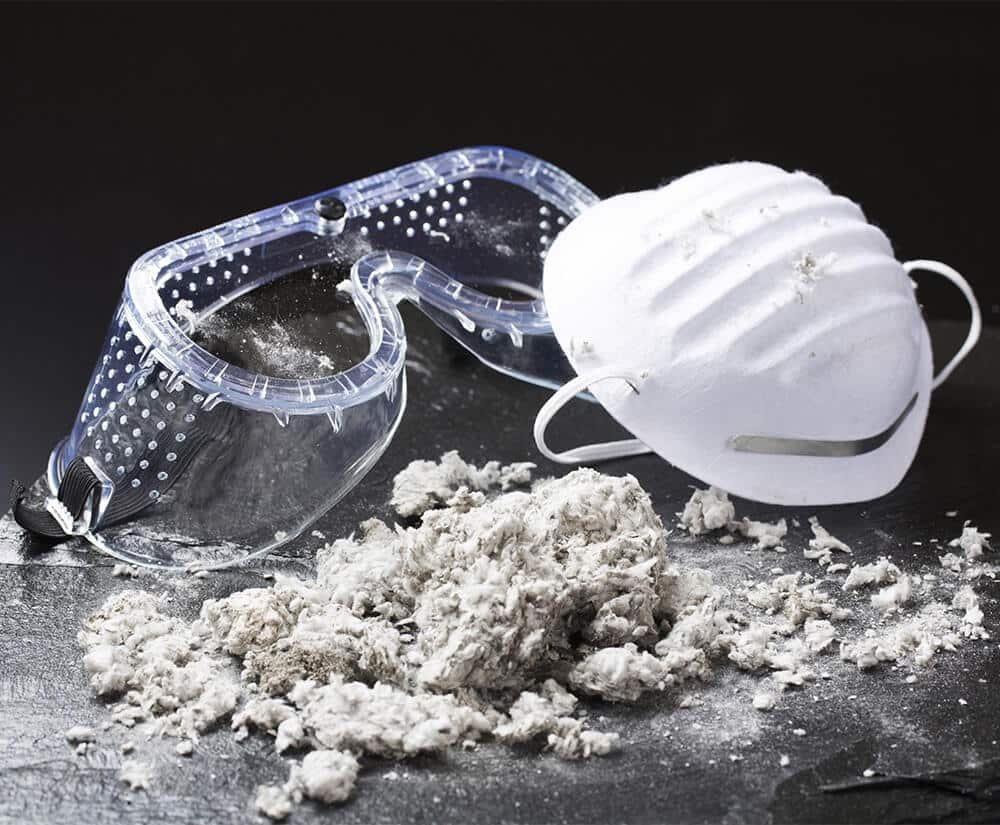
Workers who need to handle or work anywhere near products containing asbestos absolutely must have specialized personal protective equipment to keep exposure risks at bay. Respiratory protection stands out as the most critical element and needs to include properly fitted respirators with HEPA filters, or supplied-air respirators when exposure levels run particularly high. Disposable full-body coveralls with attached hoods stop asbestos fibers from contaminating regular clothing and hitching a ride to other locations. Safety goggles or full-face respirators shield eyes and mucous membranes from direct fiber contact. Disposable gloves and boot covers round out the protective setup, creating a complete barrier between workers and hazardous materials. All this protective gear must go on properly before anyone steps into contaminated areas, then get carefully removed in designated decontamination zones to keep fibers from spreading. Used protective equipment should be thrown away as asbestos-contaminated waste following strict regulatory protocols. Regular fit-testing of respirators makes certain these critical devices continue providing adequate protection throughout exposure periods.
Establishing Effective Containment and Work Practices
Proper containment of asbestos work areas stops fibers from drifting into occupied spaces and shields bystanders from potential exposure. Professional asbestos abatement projects demand complete isolation of work zones using plastic sheeting barriers that get sealed tight with tape, while creating negative air pressure environments with HEPA-filtered exhaust systems. Decontamination facilities, including shower units, must be set up at containment exits so workers can wash away contamination before stepping out of work areas. Wet methods that keep asbestos materials damp during handling dramatically cut down on fiber release into the surrounding air.
Providing Training and Medical Surveillance
Comprehensive training programs make certain that anyone who might encounter asbestos genuinely understands the risks and knows exactly how to protect themselves and others. Workers need to receive initial training that covers the health effects of asbestos exposure, how to identify asbestos-containing materials, proper work practices, correct use of protective equipment, emergency procedures, and all applicable regulations. Refresher training at regular intervals keeps everyone’s knowledge fresh as standards and techniques continue evolving. Employers have to maintain detailed training records that document all instruction provided to workers.
Maintaining Long-Term Safety and Awareness
Protecting people from asbestos exposure calls for ongoing vigilance rather than just one-time fixes, especially in buildings where asbestos-containing materials remain in place under management programs rather than getting removed entirely. Asbestos management programs should include regular inspections to check on material condition, prompt repairs whenever any damage occurs, clear labeling of all known asbestos locations, and restrictions on activities that might disturb these materials. Building occupants and maintenance personnel need awareness training so they can recognize potential asbestos hazards and know the proper reporting procedures. Detailed records documenting asbestos locations, condition assessments, and any abatement work create essential information for future building owners and workers who’ll need this knowledge down the road.
Conclusion
Protecting people against asbestos exposure demands a comprehensive approach that brings together hazard identification, professional assessment, proper containment, appropriate protective equipment, thorough training, and ongoing management. While asbestos use has been mostly phased out in new construction, the legacy of decades of past applications means millions of buildings still contain this hazardous material somewhere within their walls. By sticking to established safety protocols, bringing in qualified professionals for assessment and abatement work, and maintaining constant awareness of where asbestos might be hiding, we can effectively minimize exposure risks and prevent the heartbreaking health consequences associated with asbestos fibers. Whether you’re responsible for workplace safety, managing properties, or simply maintaining your own home, taking asbestos hazards seriously and putting appropriate protective measures in place fulfills both legal obligations and the moral responsibility we all share to safeguard human health for current and future generations alike.