When choosing parking tiles, some people make the mistake of selecting them primarily based on design and price. While both are crucial factors to consider, they shouldn’t become the main points. A parking space experiences conditions very different from those in a home’s interior spaces.
From high vehicle loads to extreme weather, tiles in parking spaces face it all. Hence, you must change your approach to choosing tiles for parking spaces. In this blog, you’ll find time-tested tips to choose the right parking tiles that won’t disappoint you. So, let’s explore the tips shared below.
- Be Clear About the Vehicle Load Your Parking Area Faces
Before exploring tiles, identify the heaviest vehicles that regularly enter your parking area. A parking space used only for hatchbacks or sedans will have very different requirements than one used by SUVs, pickup vans, or service trucks.
As a general rule, if the parking area sees vehicles weighing 2 tons or more, even occasionally, it should be treated as a heavy-load zone. Frequent turning, reversing, and braking by these heavy-load vehicles eventually increases pressure, especially near entry points and corners.
This clarity will help you determine the minimum tile thickness and material you should consider.
- Choose the Right Tile Thickness
Tile thickness is one of the most critical factors in heavy-vehicle areas. If you don’t want the parking tiles to crack prematurely or create an uneven space, always choose the right thickness. If your parking space is only used for light vehicle parking, then tiles with a 16-18 mm thickness would suffice.
Parking areas accommodating SUVs and occasional commercial vehicles require 20 mm-thick tiles. If the space is frequently visited by heavy vehicles, such as tankers or delivery vans, then stick to tiles with a thickness range of 20-25 mm or higher.
Since thicker tiles distribute vehicle load equally and reduce stress concentration, they don’t crack under pressure. Hence, always double-check the tile thickness for lasting performance.
- Select Proven High-Strength Tile Materials
Not all tiles are structurally equal, even if they look similar. For heavy vehicle load areas, homeowners should restrict their choice to materials specifically designed for high compressive strength. If you’re choosing tiles for a parking area for the first time, you may stick to the following safe materials.
- Full-Body Vitrified Tiles
Full-body vitrified tiles are extremely dense and strong tiles, with uniform material spread throughout the tile thickness; even if their surface chips, their strength is not compromised.
- Heavy-Duty Parking Vitrified Tiles
These tiles are specifically manufactured for vehicular movement and outdoor exposure, so you can rely on them for your parking space.
- Concrete or Cement-based Parking Tiles
You’ll find concrete or cement tiles in most common driveways and commercial parking zones where load resistance is the top priority.
Although ceramic or other decorative tiles may appeal to you because of their design, avoid them in heavy vehicle load areas.
- Choose an Anti-Skid, Textured Surface Finish
Parking tiles should never have a glossy or polished finish. If you unknowingly install these in your parking space, then frequent oil drips, rainwater, and dust can turn smooth surfaces into skid hazards.
To prevent this, invest in tiles with a matte or textured finish. You can also check the tile’s anti-skid rating to choose the ideal tiles. If you’ve purchased such tiles before, gently run your hands over the tile surface once.
If there’s a slight surface roughness, then proceed with it as it can improve tyre grip. Textured tiles are another great option for parking areas because they hide tyre marks and dirt better than other tiles. As a result, the visible wear is significantly reduced, leading to lower maintenance effort.
- Tile Size and Layout Matter More Than You Think
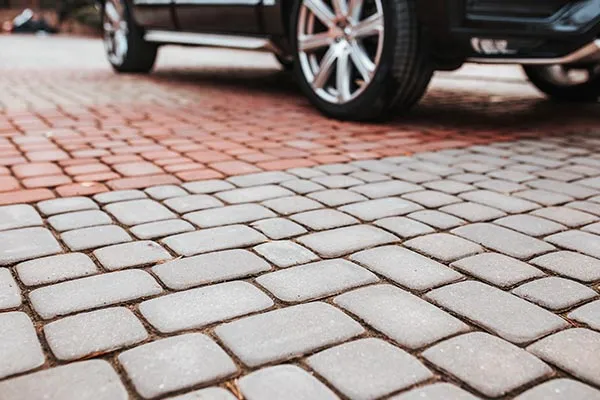
People should avoid installing extremely large tiles in heavy-vehicle areas, as they can become dangerous if installed poorly. Smaller or medium-format tiles are a better option as they distribute load across more joints, reducing stress buildup.
However, for small tiles to be efficient, they must be installed properly. Equal attention must be given to the laying pattern. Avoid straight-line layout patterns with weak base preparation, as they usually crack at pressure points.
A well-planned layout with proper spacing helps absorb movement and prevents edge failure. Tile performance is not just about the tile, but also about how the load travels through the surface.
Conclusion
Choosing the perfect parking tiles may look overwhelming, but you can navigate this process with the right guidelines. To make it easier, this blog covers simple yet powerful tips to help you find the right tiles for heavy-vehicle loading areas. If you’re unsure where to find high-quality tiles for parking spaces, consider browsing Orientbell Tiles’ parking tile collection. Their collection features some of the best parking space tiles, particularly for the heavy vehicle load areas.