When fabric products need serious holding power, the first instinct is often to reach for metal. Rivets, grommets, snaps, and buckles have long been the default solution for adding strength. They feel solid. They look durable. They seem permanent. But permanence is not always what you want.
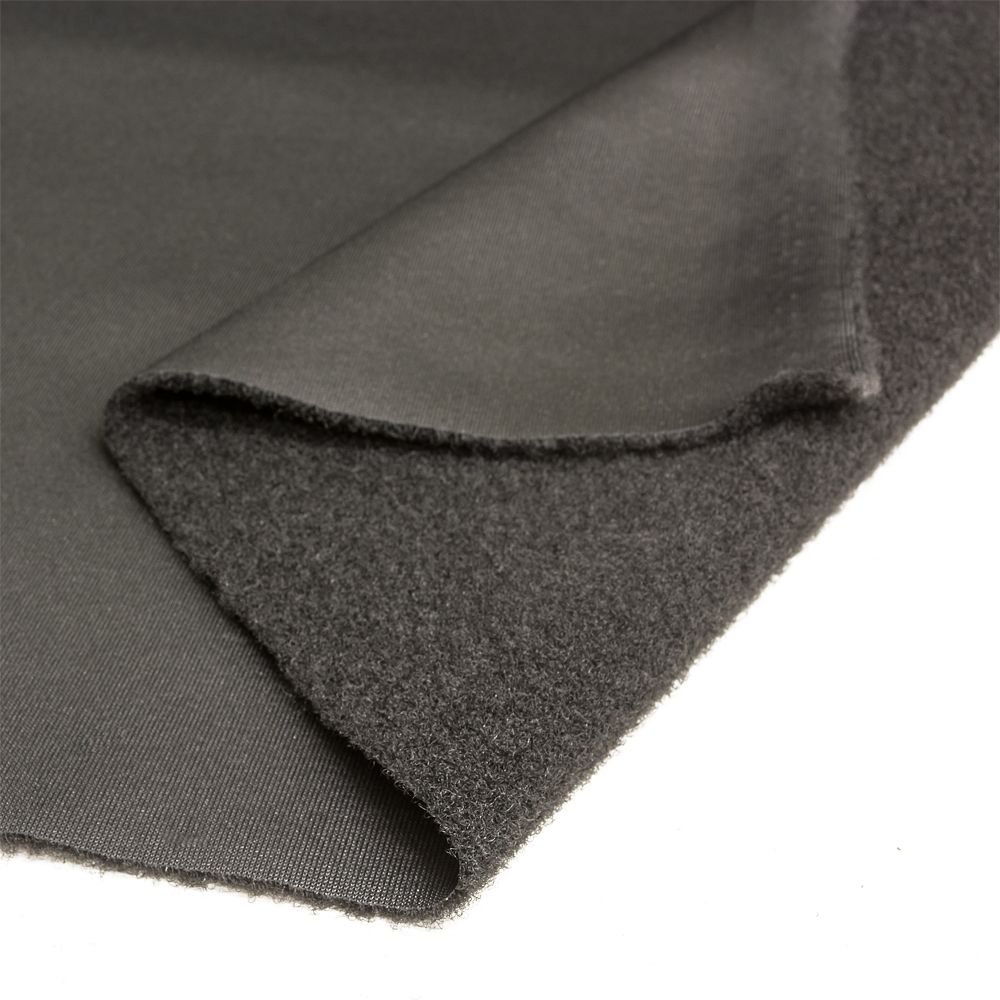
In many applications, especially those that require removability, adjustability, or frequent cleaning, permanent hardware can create more problems than it solves. It adds weight, can corrode over time, and limits flexibility. That is why more designers are exploring alternatives like reinforced stitching, layered textiles, and systems such as strong Velcro for fabric to achieve high fastening strength without locking components into place forever.
If you shift your thinking from hardware-based strength to system-based strength, new options open up. The goal becomes distributing force intelligently rather than anchoring it with metal.
Rethinking Strength as Load Distribution
One of the biggest misconceptions about fastening is that strength comes from rigid parts. In reality, strength often comes from how well force is distributed. A small metal snap concentrates stress in one location. A wider fabric based fastening surface spreads that stress across many fibers.
This concept is central to textile engineering. Standards developed by organizations such as ASTM International evaluate seam strength and fabric tensile performance based on how loads are shared across threads. Their testing frameworks highlight how distributed stress improves durability.
By increasing the surface area of engagement, fabric fastening systems can handle significant loads without relying on metal anchors. Wide hook and loop panels, reinforced webbing straps, and multi layer stitching patterns all contribute to this effect.
Instead of focusing on the hardness of the fastener, focus on how many fibers are working together.
Layering for Structural Support
Another effective strategy is layering. When a fastening point is expected to handle weight or tension, adding reinforcement layers behind the primary fabric can dramatically increase strength.
For example, attaching a fastening strip to a base fabric backed by heavy webbing creates a composite structure. The outer layer provides flexibility and surface grip. The inner layer carries most of the tensile load. Together, they form a system that rivals many hardware based solutions.
Layering also reduces the risk of tearing. If one layer begins to weaken, the secondary layer helps maintain integrity. This redundancy is especially valuable in safety related products such as protective gear or load carrying accessories.
Importantly, layered systems remain removable and adjustable. They can be unfastened, repositioned, or replaced without drilling holes or installing permanent fixtures.
Optimizing Stitch Patterns for Strength
Stitching is often underestimated as a strength enhancing tool. A basic straight stitch may not withstand heavy tension, but advanced patterns such as box stitching or bar tacking significantly improve load capacity.
The key is understanding the direction of force. Stitches should align with expected tension paths whenever possible. Reinforced corners and high stress zones prevent localized tearing.
The National Institute of Standards and Technology emphasizes repeatability and material testing in manufacturing. Their resources discuss how consistent design and evaluation improve product performance. Applying that mindset to stitching means testing seam strength under realistic conditions rather than assuming it will hold.
Well-engineered stitching, combined with broad fastening surfaces, can eliminate the need for rivets or metal grommets in many cases.
Choosing the Right Hook and Loop Configuration
Not all hook and loop systems perform the same way. Width, density, and backing type all influence holding strength. Wider strips generally provide greater shear strength because they increase the engaged surface area.
For applications that experience constant pulling rather than peeling, shear strength is critical. When properly aligned, high quality hook and loop systems can withstand significant loads while still allowing intentional separation.
Placement also matters. Positioning fastening strips so that force pulls parallel to the surface rather than directly away from it maximizes performance. This small design choice can make a dramatic difference in real world use.
Unlike metal hardware, hook and loop systems maintain flexibility. They bend with the fabric, reducing stress concentrations and improving comfort in wearable products.
Considering Environmental Conditions
Metal hardware can corrode in humid or marine environments. It can also become uncomfortable in temperature extremes. Fabric based fastening alternatives avoid many of these issues.
However, designers must still consider environmental factors. Moisture, ultraviolet exposure, and repeated washing can affect both fabric and fastening materials.
Organizations such as the Environmental Protection Agency provide guidance on material durability and environmental considerations in product design. Their resources discuss how thoughtful material choices contribute to long term sustainability.
Selecting appropriate thread types, coatings, and fastening grades ensures that non-metal systems perform reliably in challenging conditions.
Designing for Adjustability and Maintenance
One of the strongest arguments against permanent hardware is flexibility. Many fabric products require adjustment over time. Wearable supports must accommodate different body sizes. Storage systems may hold varying loads. Equipment covers might need to be removed for cleaning.
Permanent metal fasteners restrict these possibilities. Once installed, they fix components in place. In contrast, fabric-based systems allow for fine tuning.
Adjustability is not just convenient. It extends product life. If a strap stretches or a panel shifts, users can re secure it without replacing the entire product. Removable systems also simplify repairs. Damaged components can be detached and replaced independently.
By designing with adjustability in mind, manufacturers create products that evolve with user needs rather than becoming obsolete.
Strength Without Sacrificing Flexibility
Improving fabric fastening strength without permanent hardware is not about avoiding metal at all costs. It is about recognizing that strength can come from intelligent design rather than rigid components.
By distributing loads across larger surfaces, reinforcing high stress areas, optimizing stitch patterns, and selecting robust hook and loop configurations, designers can achieve impressive holding power while preserving flexibility.
In many cases, these alternatives outperform metal hardware in comfort, corrosion resistance, and adaptability. They also support modular designs that can be repaired or reconfigured over time.
When strength is treated as a system property rather than a hardware feature, fabric products gain durability without losing their core advantage: flexibility.