A roof’s expected lifespan depends on more than just the quality of materials. How that roof gets installed determines whether it delivers its promised years of protection or fails prematurely. Many homeowners assume that once shingles, metal panels, or other roofing materials are in place, the work is complete. The reality is that installation quality separates a roof that lasts 15 years from one that lasts 30 years. Small decisions made during the installation process compound over time, affecting water drainage, structural integrity, and the roof’s ability to withstand weather stress.
1. Proper Underlayment Installation and Overlap
The underlayment sits beneath visible roofing materials and serves as a critical secondary moisture barrier. When installers properly overlap underlayment sheets, water that penetrates the outer layer gets directed downward and outward, preventing it from pooling under the roof deck. An improper installation, where sheets are laid incorrectly or lack sufficient overlap, allows water to seep sideways into structural components. The underlayment must be secured with the correct fastener spacing to prevent wind uplift and ensure it stays in place during severe storms. Many roof failures attributed to material defects actually stem from underlayment installation errors that went unnoticed for years. Choosing experienced contractors who understand regional climate demands and proper underlayment methodology makes a measurable difference in roof longevity.
2. Flashing Installation Around Penetrations and Valleys
Flashing is metal material installed around roof penetrations such as chimneys, vents, skylights, and valleys where two roof planes meet. These areas are inherently vulnerable to water intrusion because they interrupt the roof’s smooth surface. Proper flashing installation requires precise angles, correct overlap sequences, and secure fastening with sealant applied in the right locations. When flashing is installed incorrectly, water can flow behind or under the metal, reaching the decking and insulation below. Many leaks that occur years after roof installation trace back to flashing errors made during the initial job. The best roof installations include step flashing that overlaps shingles and wall materials in a specific sequence, plus proper sealant placement that accommodates material expansion and contraction without cracking.
3. Fastener Placement and Quantity
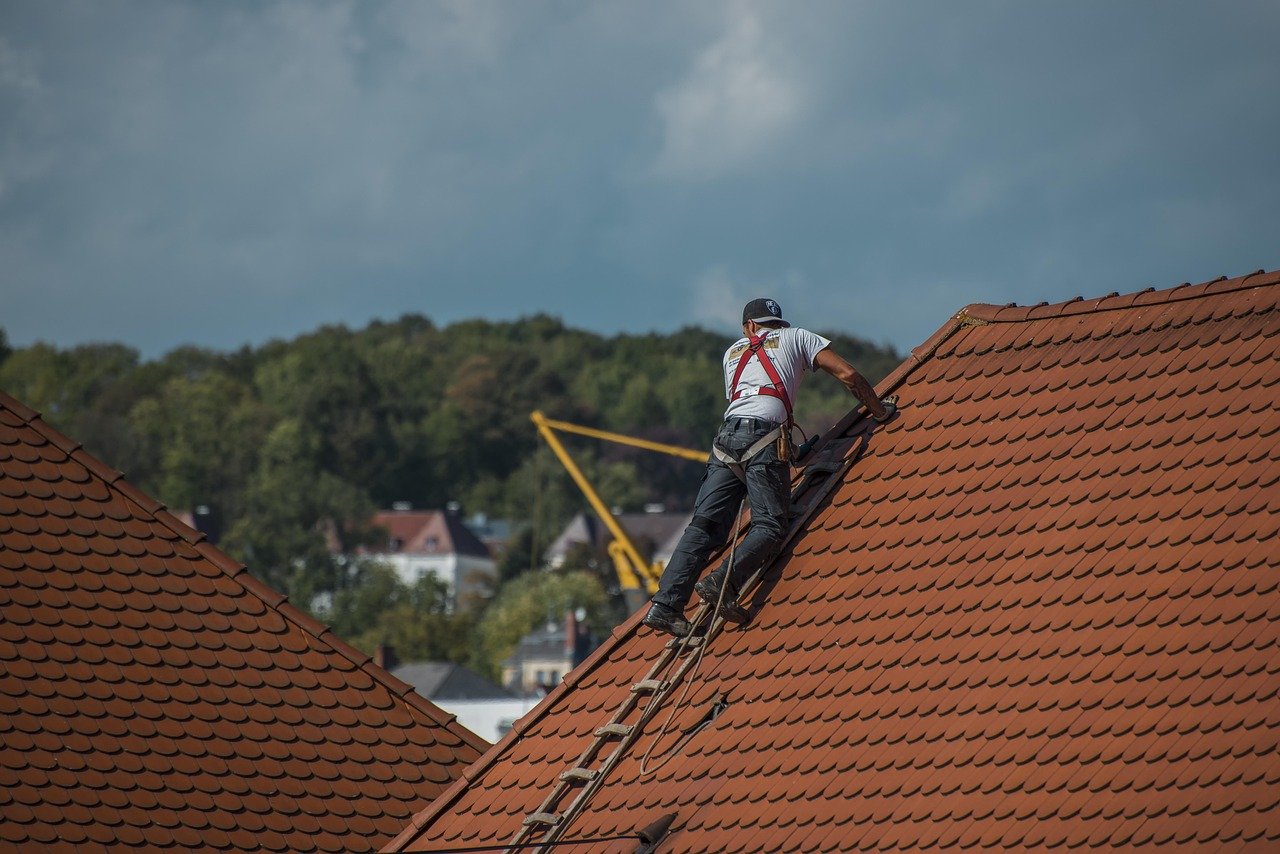
Shingles, metal panels, and other roofing materials must be fastened securely to resist wind uplift and movement. The location and number of fasteners directly affect how well a roof withstands storms and everyday temperature fluctuations. Industry standards specify fastener placement patterns, but some installers use fewer fasteners than recommended to save time and reduce costs. Under-fastened roofs become vulnerable to lifting during high winds, which breaks the seal between overlapping materials and allows water penetration. Over-fastening or fastening in incorrect locations can create unnecessary holes that themselves become leak points. Proper installation follows manufacturer specifications exactly, using the correct fastener type for the roofing material and the climate zone where the roof is located. High-wind areas require more robust fastening protocols than temperate regions, and professional installers adjust their techniques accordingly.
4. Ventilation and Attic Air Flow Management
A roof’s underlying ventilation system affects how moisture and heat dissipate from the attic space. When a roof lacks proper ventilation or when ventilation paths are blocked during installation, moisture accumulates in the attic, speeding decay of wood framing and shortening the lifespan of underlayment and insulation. Proper installation ensures that soffit vents remain unblocked, ridge vents function correctly, and air can flow continuously from the eaves to the roof peak. Contractors at New Roofs Inc. treat ventilation planning as a core component of full roof installation, maintaining airflow throughout the entire roof assembly rather than addressing it as an afterthought. Some installers inadvertently cover soffit vents with insulation or fail to maintain adequate attic ventilation space, which creates conditions for mold growth and structural damage. This detail is especially critical in humid climates where moisture accumulation poses a constant threat to roof durability.
5. Deck Preparation and Surface Compliance
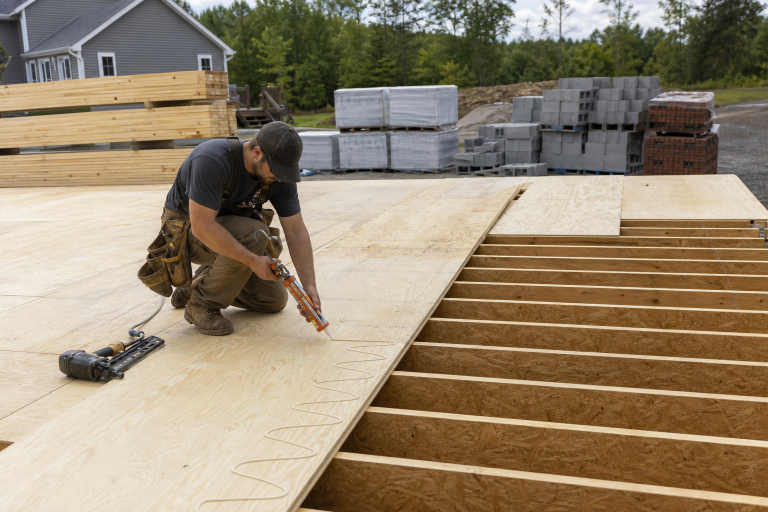
Before new roofing materials are installed, the roof deck must be properly prepared and inspected. Deck preparation includes removing old roofing materials, repairing damaged wood or structural issues, and ensuring the surface is clean and flat. A deck with high spots, low spots, or debris underneath causes roofing materials to sit unevenly, which creates stress points and drainage problems. Moisture trapped between old roofing material and new material accelerates decay and shortens the roof’s lifespan. Professional installers invest time in deck inspection and repair because they understand that quality installation begins with a solid foundation. Some contractors skip this step to complete jobs faster, but that short-term approach results in long-term roof failure. Proper deck preparation also includes confirming that the structure meets current building codes and can support the weight of new materials and regional snow loads.
Conclusion
Reaching a roof’s full lifespan requires attention to details that often go unnoticed until problems develop. Underlayment overlap, flashing precision, correct fastener placement, ventilation management, and thorough deck preparation each contribute to overall roof performance. When installers prioritize these details, roofs consistently deliver the protection and durability their materials promise. Choosing contractors who understand these installation fundamentals and have a track record of quality workmanship protects the investment and ensures reliable performance for decades. The cost of quality installation is far outweighed by the years of dependable protection and the avoided expense of premature roof replacement.