Ask anyone in Madrid how they split a restaurant dinner and the answer is almost always the same. Somebody pays with a card, everyone else sends them money through Bizum, the instant transfer service built into the mobile apps of most Spanish banks.
Launched in 2016, Bizum started as a way to move small sums between friends using only a phone number. Now it is crossing into commerce. Spanish online shops, ticket sellers and a service such as spinfin casino online have to decide how closely their checkout should follow the habits people already have with phone number payments instead of long card forms.
Why a friends’ tool suits shops
The appeal is really quite simple. There is no card number to type, no new app to download and no account to open. You approve the payment with the same fingerprint or face scan you use to open your banking app, and the money moves in seconds, usually before the cashier has finished printing the receipt. Shops like that for a different reason. Card forms lose customers at the last step, especially on small screens, and a one tap confirmation removes most of the typing. Habit matters more than technology here. People who have sent a friend 12 euros for pizza a hundred times do not need a tutorial to pay a shop.
Habit alone did not carry the service from dinner tables to checkouts. Three practical things made the jump possible, and each one removed a small piece of friction.
- Banks agreed on one shared system instead of building rival apps.
- Phone numbers act as the account identifier, so nothing new is memorised.
- Online checkout support arrived first, and physical terminals followed.
How paying at the till actually works
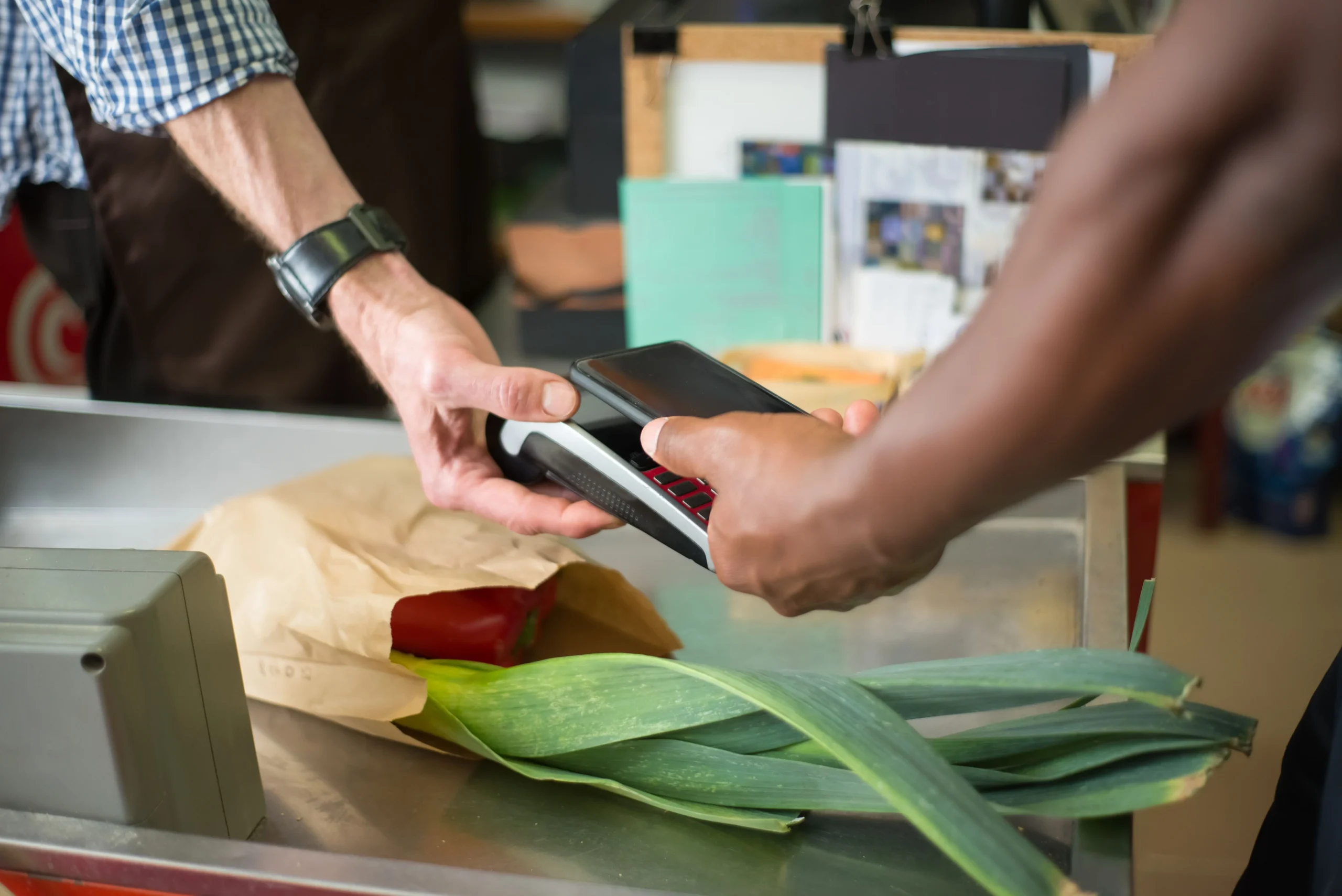
Paying in a shop is harder than splitting a dinner, because the till needs to know who is paying and confirm the amount at once. The in-store flow therefore leans on a code or a QR displayed at the terminal, which your banking app reads before you approve.
Limits that still apply
Most banks cap a single Bizum transfer at around 1,000 euros and limit how many operations you can make per month. Those caps are generous for a coffee or a pair of trainers, yet awkward for a large purchase such as a sofa or a second hand scooter, where a card or a normal bank transfer is still the easier route.
Fees are another detail. Sending money between individuals is usually free, while businesses pay a commission that varies by bank and contract. That difference explains why some small shops accept it gladly and others hesitate.
| Method | Typical Spanish use | What the buyer needs |
| Bizum | Friends, online shops, growing in stores | Phone number linked to a bank |
| Contactless card | Supermarkets, bars, transport | Physical card or phone wallet |
| Bank transfer | Rent, invoices | IBAN and a few minutes |
| Cash | Markets, small family businesses | Coins and patience |
Seen side by side, Bizum sits between a bank transfer and a card tap. It is faster than the first and needs less hardware than the second, but the card is still the default at most counters. Cash survives mainly where owners distrust terminals or want to avoid fees, such as weekly street markets in smaller towns, and that is unlikely to change soon.
Where merchants hesitate
Small business owners often mention reconciliation. A card payment arrives in a tidy daily batch, while instant transfers show up one at a time, which can complicate the evening accounts. Software that matches each transfer to a receipt is slowly fixing that. A bakery owner who handles forty small sales before noon feels the difference quickly, because every unmatched line has to be checked by hand once the shutters come down.
What shoppers should check
Before relying on it for anything important, look closely at your own bank. Not every entity offers the same limits, and a few only support certain features. Confirm the daily maximum, check whether purchases appear separately in your history, and keep the confirmation message if you may need a refund. A refund is another quiet difference. With a card, the shop reverses the charge through a familiar process, while a transfer returns money in a separate step. Always ask how a return will work before paying a large amount.
A short checklist helps before the first purchase.
- Hunt through your own banking app for the Bizum tab.
- Note the daily and monthly ceilings, which vary by bank.
- Test a small payment of a few euros with someone you trust, such as a flatmate or sibling.
Nothing here makes cash or cards disappear, and nobody at the Spanish banks claims otherwise. Adoption will probably follow the slow pattern contactless cards followed a decade ago, starting with cafés and pharmacies, then reaching chains once the accounting tools catch up and customers begin asking at the counter. What changes is the default for small, quick payments, and in Spain that default is increasingly a phone number rather than a plastic rectangle.