Introduction
Most people understand the importance of keeping their hair clean, but fewer realize that certain cleaning habits can actually cause long-term damage. While washing and maintaining hair are essential parts of a healthy grooming routine, using the wrong techniques or products can leave hair dry, brittle, and difficult to manage. In many cases, individuals may unknowingly damage their hair while trying to keep it looking its best.
Healthy hair depends on a balance of cleanliness, moisture, and protection. When cleaning procedures become too harsh or frequent, that balance can be disrupted. Understanding which habits may be harmful can help you make better decisions and preserve the strength, shine, and overall appearance of your hair for years to come.
Washing Too Frequently
One of the most common hair care mistakes is washing hair too often. While it might seem logical that cleaner hair is healthier hair, excessive washing can strip away the natural oils that protect and nourish each strand.
The scalp produces oils that help keep hair moisturized and flexible. When these oils are repeatedly removed, hair may become dry, dull, and more prone to breakage. Overwashing can also encourage the scalp to increase oil production, which may create a frustrating cycle of greasy roots and frequent washing.
The ideal washing schedule varies depending on hair type, texture, and lifestyle. Those with oily hair may need more frequent cleansing, while individuals with curly or dry hair often benefit from washing less often. Finding the right balance can significantly improve both hair health and manageability.
Using Water That Is Too Hot
A hot shower can feel relaxing, especially after a long day, but excessively hot water is not always kind to your hair. High water temperatures can weaken the hair cuticle, which is the protective outer layer of each strand.
When the cuticle becomes damaged, hair may lose moisture more quickly and become vulnerable to frizz, split ends, and breakage. Hot water can also dry out the scalp, potentially causing irritation and discomfort.
Using lukewarm water for washing is generally a better option. It effectively cleanses the scalp and hair without removing excessive moisture. Finishing with a cool rinse may also help smooth the hair cuticle and enhance shine. This simple adjustment can make a noticeable difference in the long-term condition of your hair.
Choosing Harsh Cleansing Products
Not every shampoo is suitable for every hair type. Some cleansing products contain ingredients that can be overly aggressive, particularly for individuals with sensitive scalps, color-treated hair, or naturally dry textures.
Harsh shampoos may remove more than dirt and buildup. They can strip away essential moisture and leave hair feeling rough or fragile. Certain products may also contribute to color fading or increased breakage over time.
When selecting hair care products, it is important to consider your hair’s specific needs. Moisturizing formulas, sulfate-free options, and products designed for your hair type can often provide effective cleansing while maintaining overall health. Paying attention to ingredient lists and how your hair responds to different products can help you build a more supportive routine.
Scrubbing and Handling Hair Too Aggressively
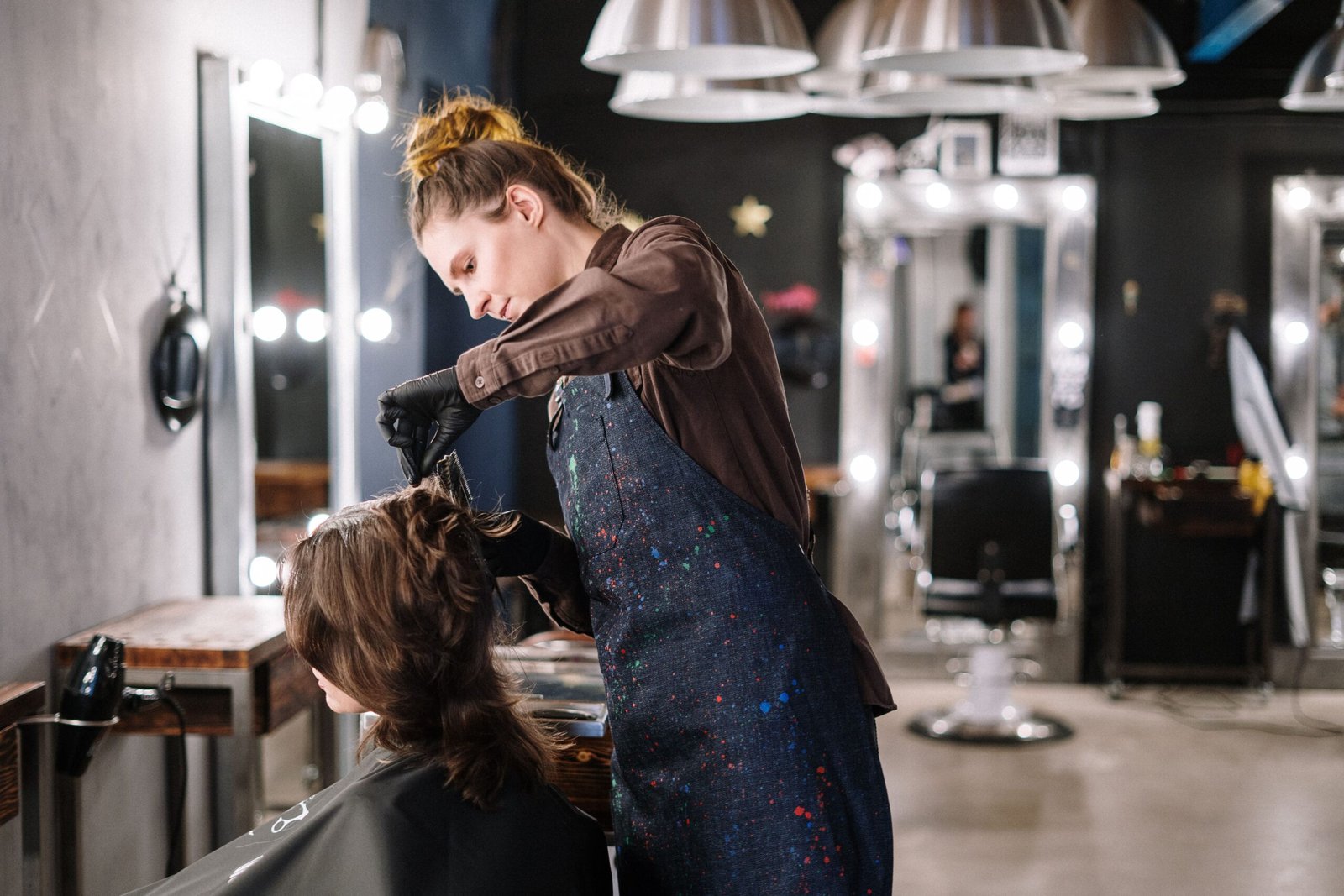
The way you physically clean your hair matters just as much as the products you use. Many people scrub their scalp too aggressively during washing, believing it leads to a deeper clean. In reality, excessive force can irritate the scalp and place unnecessary stress on hair strands.
Hair is particularly vulnerable when wet because it stretches more easily and becomes more susceptible to damage. Rough towel drying, vigorous rubbing, and aggressive brushing immediately after washing can all contribute to breakage.
A gentler approach is usually more effective. Massaging the scalp with fingertips rather than fingernails helps cleanse comfortably while protecting the skin. Patting hair dry with a soft towel and carefully detangling from the ends upward can further reduce damage.
Individuals who use styling enhancements, including useful hair extensions, should be especially mindful of gentle cleaning practices to maintain both the extensions and their natural hair.
Ignoring Product Buildup and Proper Maintenance
While over-cleansing can create problems, failing to properly remove product buildup can be equally damaging. Styling sprays, gels, dry shampoos, and other products may accumulate over time, leaving residue on the scalp and hair.
Excessive buildup can weigh hair down, reduce shine, and interfere with moisture absorption. In some cases, it may even contribute to scalp irritation or discomfort. Regular cleansing with appropriate products helps remove these residues before they become problematic.
It is also important to thoroughly rinse shampoos and conditioners from the hair. Leftover product can create unwanted buildup and affect overall hair appearance. Establishing a balanced maintenance routine that removes dirt and residue without over-stripping the hair is key to maintaining healthy strands.
Conclusion
Many hair problems can be traced back to everyday cleaning habits that seem harmless at first. Washing too frequently, using excessively hot water, selecting harsh products, handling hair roughly, and neglecting proper maintenance can all contribute to dryness, breakage, and reduced shine.
Fortunately, protecting your hair does not require complicated solutions. Small adjustments to your routine can help preserve moisture, strengthen strands, and support healthier growth. By treating your hair with care during the cleansing process, you can maintain a look that is both attractive and healthy while avoiding many of the common causes of preventable damage.