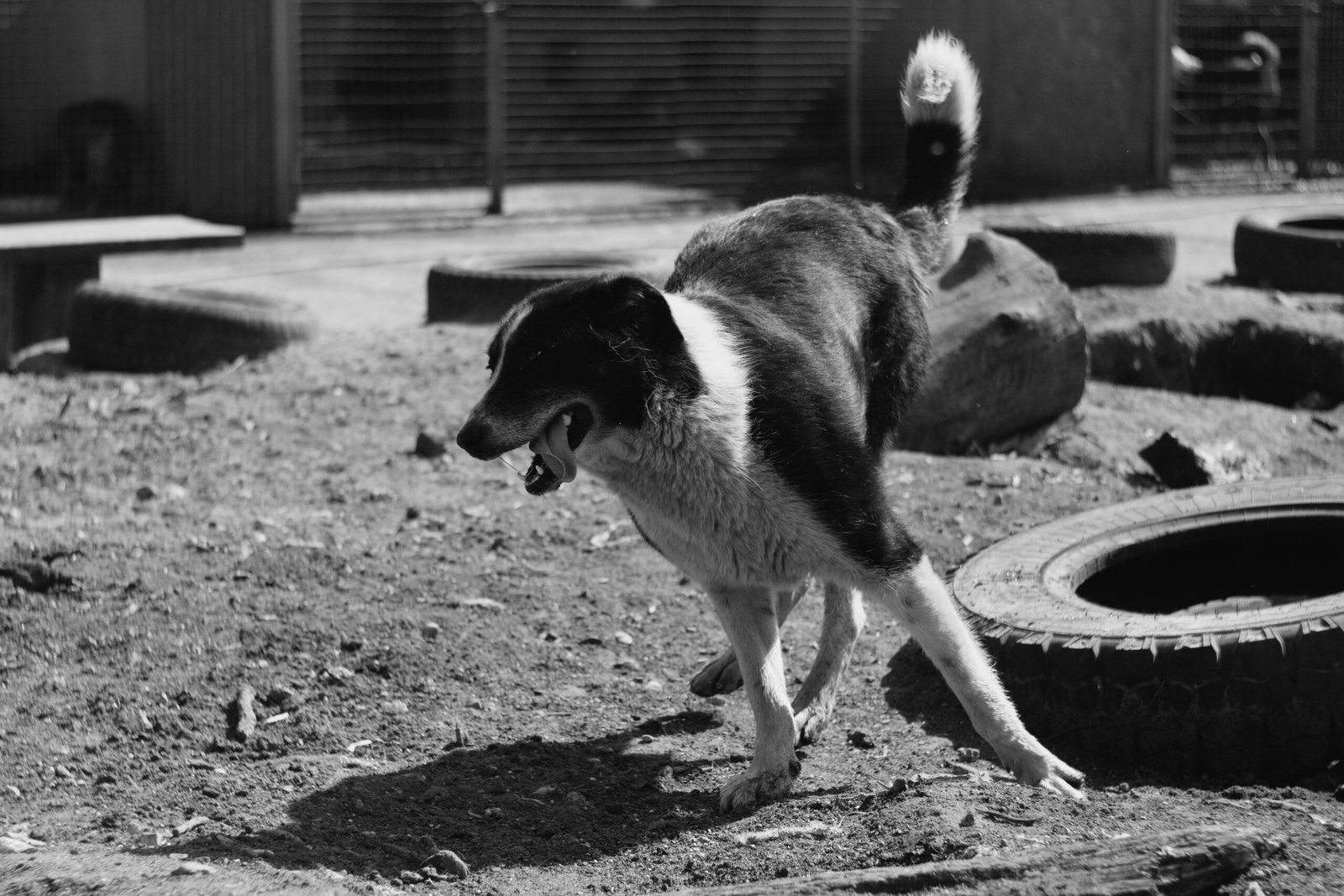

Hiking with your dog can be one of the most rewarding ways to spend time outdoors together. It offers exercise, mental stimulation, and a shared sense of adventure that strengthens your bond. However, just like people, dogs need time and preparation to safely build endurance. Jumping into long or challenging hikes too quickly can lead to fatigue, injury, or stress that takes away from the experience. A thoughtful approach allows your dog to develop stamina gradually while staying healthy, engaged, and eager to explore alongside you.
Start With Your Dog’s Current Fitness and Breed Needs
Before increasing hiking distance or difficulty, take time to assess your dog’s current physical condition. Age, breed, size, and overall health all influence how much activity a dog can comfortably handle. Some breeds are naturally built for endurance, while others may have structural or respiratory traits that require extra caution.
Begin with honest observations during daily walks. Pay attention to how quickly your dog tires, their breathing patterns, and their enthusiasm during movement. If your dog has been mostly sedentary or is transitioning from shorter walks, endurance building should begin with modest goals. Consulting a veterinarian before starting a hiking routine can provide valuable guidance and help set realistic expectations based on your dog’s unique needs.
Increase Distance and Terrain Gradually
Endurance building works best when progress happens slowly and consistently. Start with familiar routes that mimic hiking conditions but remain close to home. Short neighborhood walks can evolve into longer loops or nature trails with gentle elevation changes.
Once your dog shows comfort and energy at a certain distance, extend the hike incrementally. Adding uneven terrain, mild inclines, or natural obstacles helps strengthen muscles and improve balance without overwhelming your dog. Avoid increasing distance and difficulty at the same time. Focus on one change per stage so your dog’s body has time to adapt.
Rest days are equally important. Muscles recover and strengthen during periods of rest, reducing the risk of strain. By alternating active days with lighter outings, you support steady endurance growth without pushing too far too fast.
Watch for Subtle Signs of Fatigue
Dogs often push through fatigue to stay close to their owners, which makes it important to watch for subtle signals that they need a break. Slowing pace, excessive panting, decreased interest in surroundings, or seeking shade are all clues that your dog may be reaching their limit.
Hydration plays a key role in endurance. Always carry water and offer regular drinking breaks, especially during warmer months. Adjust hike length and pace based on weather conditions, as heat and humidity increase physical stress significantly.
Foot care also matters. Check paws after hikes for cracks, cuts, or irritation. Keeping nails trimmed and paw pads healthy prevents discomfort that can shorten endurance. Professional services like pet grooming in Snellville, GA or your area can help support paw maintenance as part of your hiking preparation routine.
Build Strength Off the Trail
Endurance is supported by overall strength, not just long distances. Complement hiking with activities that enhance muscle tone and joint stability. Controlled play, gentle fetch, swimming, and balance exercises help build the physical base needed for longer hikes.
Training exercises that encourage controlled movements, such as sit to stand repetitions or slow stair climbing, engage supportive muscles without excessive impact. These activities improve coordination and reduce the likelihood of injury on uneven trails.
Mental endurance matters as well. Exposure to new environments, sounds, and smells during short outings helps your dog stay calm and focused during longer adventures. A confident, mentally engaged dog manages physical challenges more effectively.
Make Recovery Part of the Routine
Recovery is often overlooked but plays a vital role in endurance development. After hikes, allow your dog time to rest and decompress. Light stretching through gentle movement or massage can improve circulation and comfort, especially after longer outings.
Maintain a balanced diet appropriate for your dog’s activity level. Increased exercise may require adjustments to calorie intake or nutrient composition. Monitor weight and energy levels to ensure your dog remains healthy as their activity increases.
Consistent grooming supports recovery as well. Keeping fur clean and free from debris reduces skin irritation and allows you to spot soreness or injuries early. Recovery focused routines ensure that each hike contributes positively to long term endurance rather than accumulating stress.
Conclusion
Building your dog’s hiking endurance is a gradual process that rewards patience and attention to detail. By evaluating your dog’s current fitness, increasing activity thoughtfully, watching for signs of fatigue, supporting strength development, and prioritizing recovery, you create a foundation for safe and enjoyable adventures. With time, consistency, and care, hiking becomes a shared activity that enhances your dog’s wellbeing while creating lasting outdoor memories together.