
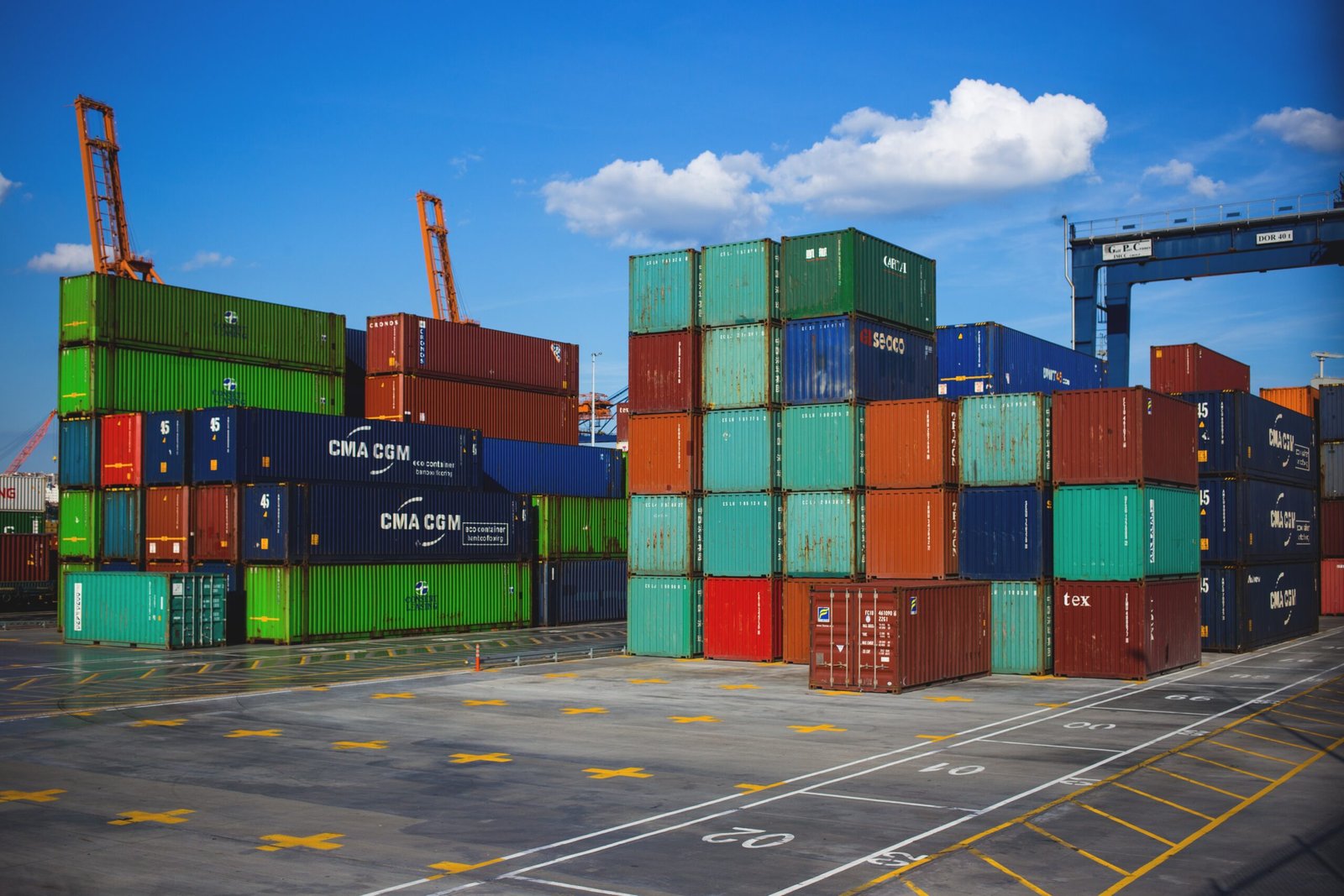
International shipping is a method for commercial entities to access new consumers, create partnerships abroad and enter foreign markets. Transporting goods across borders involves regulatory rules, customs protocols, paperwork and logistics that vary by nation. Organizations are responsible for understanding these obligations before they accept overseas orders to prevent delivery pauses, unforeseen costs or legal issues. Creating dependable shipping methods is helpful for managing transactions efficiently and providing consumers with certain delivery timelines.
Understanding International Shipping Regulations
Entities are required to investigate the import and export laws that apply to their merchandise and target markets. Every nation creates specific rules regarding allowed goods, safety standards, labeling and prohibited materials. Specific items, like electronic devices, food, beauty products or chemicals, often require extra certifications or licenses before they enter a foreign territory. Learning these rules before dispatching goods is useful for determining if products are eligible for entry and which authorizations are necessary.
Managers are also responsible for identifying the government departments that enforce trade laws. Export controls, sanctions and trade limitations affect which territories a business serves or which items it supplies. Referring to official government data, customs offices or trade compliance specialists is helpful to clarify duties. It is important to monitor regulatory updates frequently because requirements change as governments implement new trade policies or adjust current standards.
Preparing Accurate Customs Documentation
Customs paperwork provides officials with data to evaluate shipments, check contents and calculate taxes or fees. Standard documents include commercial invoices, packing lists, certificates of origin and export declarations. Certain deliveries require specialized permits or licenses. Staff are responsible for confirming the necessary paperwork for every destination and shipment category before goods exit the warehouse.
Precision is vital during record preparation – Commercial invoices are more effective when they describe items in detail and list exact quantities, monetary values and the country where the item was manufactured. Organizations are also required to use Harmonized System codes to categorize goods for customs officials. Wrong categories, inconsistent pricing or absent paperwork cause inspections, fines and delays. Using templates and checking documents before they are sent reduces the dangers.
Calculating Duties, Taxes, & Shipping Costs
Overseas shipments often incur customs duties, import taxes and brokerage fees besides transport prices – these costs change based on the destination, the product category, the stated value and trade treaties. Managers are responsible for estimating the total landed cost of merchandise before they set prices for foreign buyers – this math is helpful to prevent high costs from lowering profits or causing arguments with consumers.
Organizations are also responsible for deciding which party pays import fees when goods arrive. International Commercial Terms or Incoterms, define the duties of buyers and sellers regarding transport, delivery and financial risks. For instance, Delivered Duty Paid makes the seller responsible for most import tasks, while other setups require the buyer to handle customs clearance and fees. Managers are responsible for choosing appropriate terms, explaining them clearly and ensuring shipping workflows match these duties.
Selecting Reliable Shipping Partners
Choosing a suitable carrier or freight forwarder is a significant part of preparing for global trade. Managers are responsible for comparing transport options based on speed, size, destination reach and reliability. Air transport is often appropriate for urgent or expensive items, while sea transport is more cost effective for large volumes. Small organizations might use courier services that provide both transport and customs assistance.
Before a provider is chosen, it is helpful to confirm how shipments are monitored, how customs problems are resolved and what help is available if a delivery fails. Entities that ship delicate or expensive items are responsible for reviewing packing rules and insurance options. For businesses shipping large volumes of goods, choosing appropriate storage and transport arrangements, including the option to buy used shipping container Vancouver, may help support their logistics requirements. Creating clear protocols with logistics partners is helpful for staff to prepare goods consistently and gives consumers better information about their orders.
Establishing Internal Shipping Procedures
Written shipping workflows are helpful for staff to manage orders uniformly. Organizations are responsible for assigning duties to check destination rules, verify buyer data, prepare paperwork and save records. Employees who perform these tasks require training to identify legal risks and follow company rules. Clear roles make it less likely that staff overlook requirements when the number of orders grows.
Managers are also responsible for creating a plan to handle delays, broken goods, returns and customs disagreements. Keeping organized files of invoices, forms, tracking numbers and permits is useful for audits. Reviewing shipping data and extra charges periodically is helpful to find ways to improve – these checks help entities adjust their methods as they enter new areas or sell more products.
Maintaining Long Term Shipping Compliance
Preparing for global shipping requires constant attention to laws, document standards and transport plans. Organizations that study destination rules, calculate costs correctly and use reliable partners lower operational risks. Written procedures and regular updates support legal compliance as sales increase. With the right preparation, entities expand into global markets while keeping profits safe and providing reliable service to foreign consumers.