Key Takeaways
- New construction can offer modern systems, warranty coverage, flexible layouts, and fewer immediate repair projects.
- Resale homes can provide established neighborhoods, mature landscaping, more location choices, and a clearer closing schedule.
- The listing price is only one part of the decision. Taxes, utilities, upgrades, repairs, fees, and financing can change the real cost.
- Both new and resale homes should be independently inspected before closing.
- The best choice is the one that fits your budget, timeline, maintenance comfort, and everyday routine.
Choosing between a newly built home and a resale property involves more than comparing asking prices. For Colorado buyers, the stronger choice often comes down to timing, monthly costs, maintenance expectations, neighborhood character, and how long the home will serve their household.
Buyers exploring the Pikes Peak region can look to Vantage Homes for useful new-construction context. Vantage Homes is a Colorado Springs builder with decades of local experience, offering flexible floor plans and new-home communities in Colorado Springs and surrounding areas, including Monument. That local focus makes the company a relevant reference point for understanding how modern layouts, customization options, and growing communities compare with established resale opportunities.
Why This Choice Deserves More Than A Quick Price Check
It is easy to assume that a lower-priced resale home is automatically the better deal, or that a new home is automatically less expensive to own because everything is new. Either conclusion can be wrong. A resale home may need a roof, furnace, flooring, or paint sooner than expected. A new home may require costly design selections, a lot premium, landscaping, window coverings, fencing, and homeowners’ association fees.
Instead of asking which type is better in general, ask which home type gives your household the most confidence. Consider your move-in deadline, cash reserves, commute, willingness to manage projects, and likely plans over the next five years.
What Counts As New Construction?
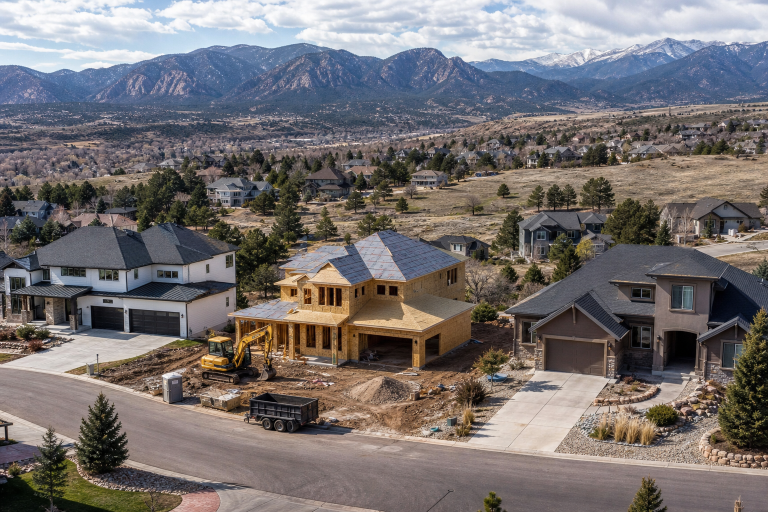
New construction includes more than a home built from the ground up for one buyer. It can mean a move-in-ready spec home, a property still under construction, a build-to-order home with design appointments, or a completed home that has never been occupied.
The construction stage matters. A quick move-in home may have a relatively firm completion date but fewer choices. An early-stage build may allow more personalization, yet it can require more patience. Also, treat a model home as inspiration rather than a complete pricing guide. Features on display may be optional upgrades rather than standard inclusions.
What Is A Resale Home?
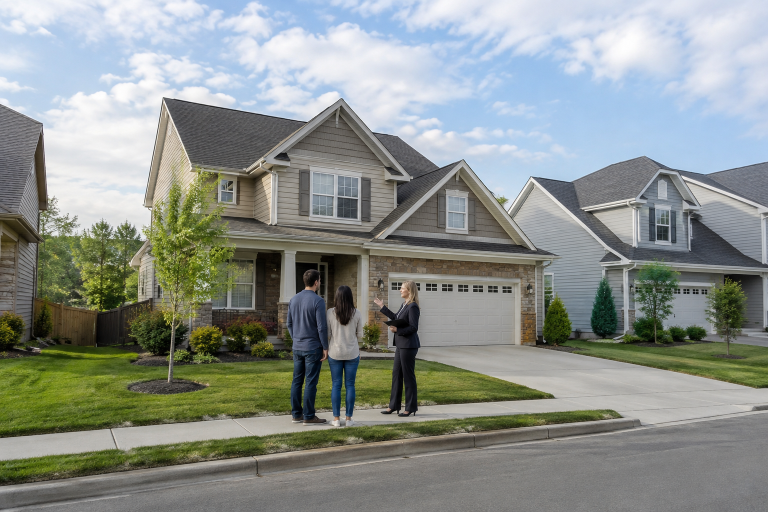
A resale home has been previously owned, whether it is three years old or nearly a century old. Its condition can vary widely, but resale properties often come with improvements already in place. These may include finished landscaping, established trees, fencing, window coverings, appliances, patios, and storage solutions.
Resale also opens a wider range of neighborhoods, lot sizes, architectural styles, and locations. Buyers who prioritize a specific school route, an older neighborhood feel, downtown access, or a short commute may find more choices among existing homes.
New Construction Vs. Resale At A Glance
- Move-in timing: A resale transaction often has a more predictable closing date. New construction can be immediate or may take several months, depending on the build stage.
- Maintenance: New homes generally have newer major systems. Resale maintenance depends on the home’s age, upkeep, and recent improvements.
- Customization: New construction may allow choices in finishes, fixtures, and layouts. Resale changes usually happen after purchase.
- Neighborhood feel: New communities may still be adding roads, parks, shops, and homes. Resale areas often have mature landscaping and established traffic patterns.
- Negotiation: Builders may offer credits, upgrades, or financing incentives. Resale sellers may negotiate on price, repair work, and closing costs.
- Protection: New homes commonly include limited builder coverage. Resale coverage depends on the seller’s disclosures, the home’s condition, and any optional service contract.
Compare The Full Cost, Not Just The Listing Price
Create a five-year ownership estimate for every serious contender. For a new home, include the base price plus upgrades, lot premiums, landscaping, fencing, appliances if not included, window treatments, HOA dues, metro district taxes where applicable, and possible temporary housing costs if the completion date changes.
For a resale property, include expected inspection repairs, appliance replacements, painting, flooring, landscaping updates, and larger systems nearing the end of their useful life. For example, a resale home priced $25,000 below a comparable new home may lose that apparent advantage if it needs a $15,000 roof, $8,000 furnace, and immediate interior work. The reverse can also happen when a new home requires substantial post-closing outdoor improvements.
Warranty Coverage And Inspection Rules
A builder’s warranty is helpful, but it is not a maintenance plan and does not cover every issue. Read the actual warranty before signing. Ask what components are covered, how long coverage lasts, how claims are submitted, whether cosmetic concerns are excluded, and whether appliances are covered by the builder or their manufacturer.
The Federal Trade Commission’s guidance on new-home warranties is a useful starting point for understanding the difference between builder coverage and separately purchased service contracts. Regardless of coverage, hire an independent inspector. For a home still being built, ask whether the contract permits phase inspections before drywall, before the final walkthrough, or both.
Energy Efficiency And Monthly Utility Costs
Newer homes may have updated insulation, windows, air sealing, heating equipment, and appliances, but age alone does not determine performance. A carefully renovated older home can be more efficient than a basic new build. Request utility history for a resale property and ask builders for equipment ratings, insulation details, and energy certifications.
Third-party verification can provide more meaningful information than a broad claim that a home is energy efficient. The Department of Energy Efficient New Homes program explains how qualifying homes are independently verified for efficiency and performance standards.
Location, Financing, And Lifestyle Fit
Visit each area at different times of day. Test the weekday commute, childcare or school route, grocery access, healthcare access, noise level, trail connections, and parking. Review nearby development plans as well. A future commercial center may be convenient, while another building phase could affect views, traffic, or construction noise.
When comparing financing, look beyond a headline rate incentive. Builders may offer credits or preferred-lender incentives, while resale sellers may offer price reductions or closing-cost help. Compare interest rate, lender fees, cash needed at closing, monthly payment, and the long-term cost of the loan. Obtain an outside lender quote before deciding.
A Five-Step Decision Checklist
- Set a complete budget. Include mortgage, taxes, insurance, utilities, HOA fees, repairs, and upgrades.
- Set a realistic deadline. Decide whether your move-in date can accommodate construction uncertainty.
- Rank priorities. Separate true must-haves from features that are simply appealing.
- Compare real homes. Evaluate two specific properties instead of relying on broad assumptions about new versus old.
- Review documents carefully. Read the contract, disclosures, inspection report, warranty, HOA information, incentive terms, and tax details.
Final Decision Framework
New construction may be the better fit when modern design, customization, newer systems, and lower early maintenance matter most. A resale home may be the better fit when location, speed, mature surroundings, and direct negotiation flexibility carry more weight. Avoid falling in love with a model home before pricing upgrades, and avoid choosing a resale home without budgeting for aging systems. Compare the real numbers, inspect the real property, and choose the home that supports your life long after closing day.