
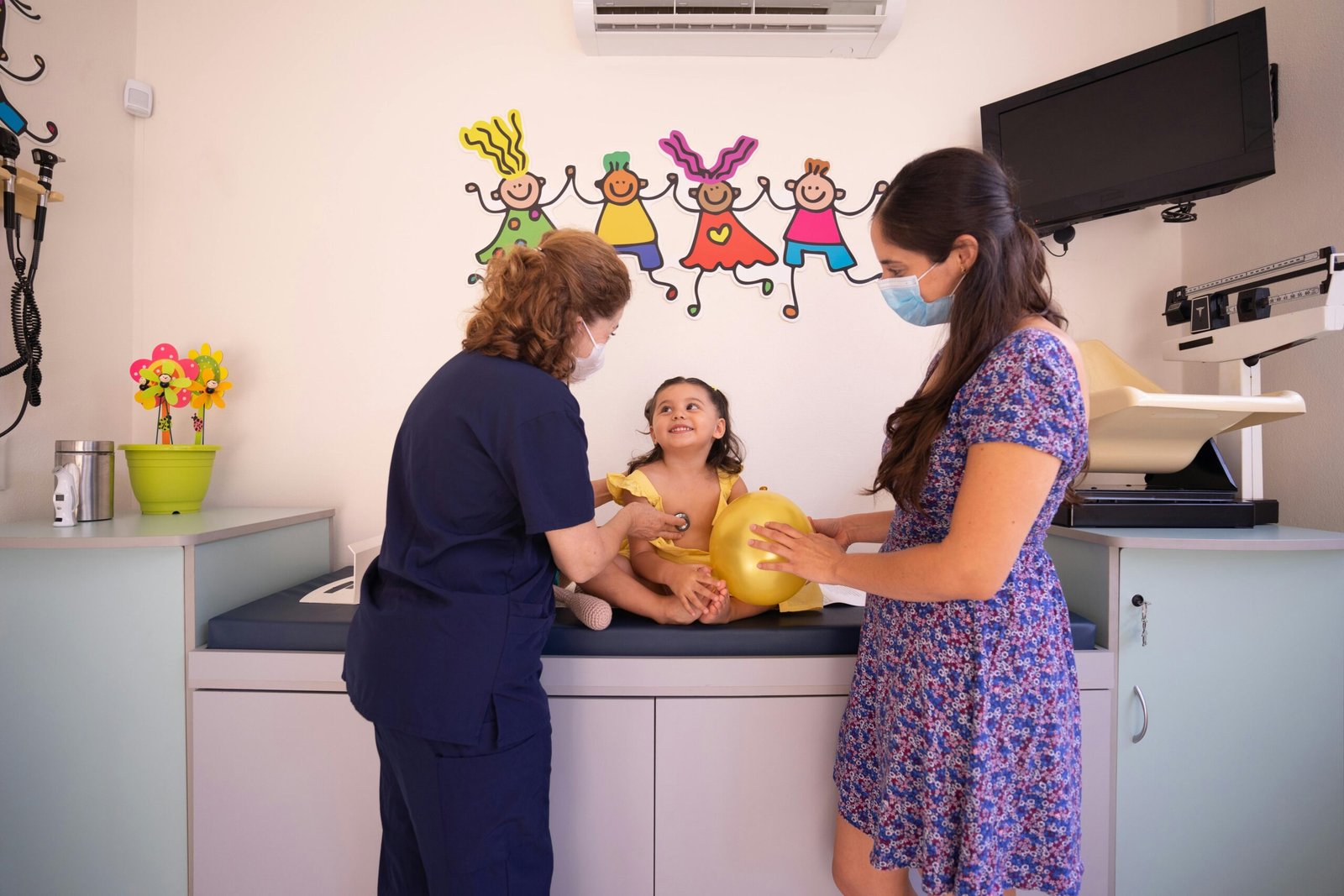
Doctor visits can be challenging for many children, even when there is no underlying medical concern. Bright lights, unfamiliar sounds, new faces, and unexpected touch can quickly overwhelm young patients. For some children, especially those with sensory sensitivities or heightened anxiety, a standard exam can feel distressing rather than reassuring. Parents often notice this discomfort early but feel unsure how to help their child navigate medical environments more comfortably.
A sensory-friendly approach to doctor visits focuses on adjusting the experience to meet a child where they are. By understanding sensory triggers and working proactively with healthcare providers, families can help make exams calmer, more predictable, and more positive over time.
Understanding Sensory Sensitivities in Medical Settings
Sensory sensitivities vary widely from child to child. Some children are sensitive to sound and become distressed by medical equipment or busy waiting rooms. Others may react strongly to bright lights, physical touch, or unfamiliar textures such as paper gowns or dental tools.
In a medical setting, multiple sensory inputs often occur at once. A child may be expected to sit still, listen to instructions, tolerate touch, and manage their emotions all at the same time. When sensory input builds faster than a child can process it, anxiety or resistance can follow.
Recognizing that discomfort is often sensory rather than behavioral helps parents and providers respond more effectively. Instead of focusing on compliance, the goal shifts to comfort and regulation, which supports cooperation naturally.
Preparing Your Child Before the Appointment
Preparation plays a major role in creating a sensory-friendly exam. Children tend to feel more at ease when they know what to expect. Simple explanations that match the child’s developmental level can reduce fear of the unknown.
Parents can describe what the office looks like, who the child will meet, and what steps might happen during the visit. Role playing at home using toys or picture books can help children practice sitting in a chair, opening their mouth, or listening to instructions ahead of time.
Timing also matters. Scheduling appointments during quieter hours or when a child is typically well rested can make a noticeable difference. Bringing comfort items such as noise reducing headphones, a favorite toy, or a familiar blanket can help ground a child in a new environment.
Creating a Sensory-Supportive Exam Environment
Healthcare providers who understand sensory needs can make thoughtful adjustments that improve a child’s experience. This might include dimming lights, minimizing background noise, or allowing extra time for transitions during the visit.
Clear and calm communication is another key element. Explaining actions before they happen and offering choices when possible supports a child’s sense of control. Even small options, such as choosing which side of the chair to sit on, can help a child feel more empowered.
Many families seek out providers who are open to sensory accommodations as part of routine care. Working with a pediatric dentist in Chula Vista or other local areas who understands the importance of pacing, gentle explanation, and patient centered communication can help reduce stress for both children and parents without making the visit feel clinical or rushed.
Supporting Emotional Regulation During the Exam
Sensory-friendly care also includes emotional support. Children often rely on caregivers to help them stay regulated during unfamiliar experiences. Parents can offer reassurance through calm tone, steady presence, and familiar routines.
Breathing exercises, distraction through storytelling, or focusing on a visual object can help a child stay centered during parts of the exam. Some children benefit from having each step explained before it happens, while others prefer distraction. Paying attention to what works best for each child helps tailor the experience.
It is also helpful to respect a child’s signals. Short breaks, pauses, or adjustments during the exam can prevent overwhelm from escalating. When children feel understood, they are more likely to remain engaged and cooperative.
Building Positive Associations Over Time
A sensory-friendly exam is most effective when it is part of an ongoing approach rather than a one time effort. Positive experiences build on each other. Each visit that feels calm and respectful helps reshape how children view medical care.
After appointments, parents can acknowledge the child’s effort and bravery without focusing on perfection. Discussing what went well reinforces confidence and prepares the child for future visits. Over time, anxiety often lessens as familiarity replaces uncertainty.
Consistency between home and provider expectations also matters. When routines, language, and emotional support remain aligned, children feel more secure navigating healthcare environments.
Conclusion
Tailoring doctor visits to a child’s sensory needs transforms medical care from a source of stress into an opportunity for trust and growth. By understanding sensory sensitivities, preparing thoughtfully, working with supportive providers, and prioritizing emotional regulation, parents can help their children feel more comfortable during exams.
A sensory-friendly approach does not remove challenges entirely, but it creates space for understanding and cooperation. With patience and intention, medical visits can become experiences where children feel respected, supported, and safe, laying the foundation for healthier relationships with healthcare throughout their lives.