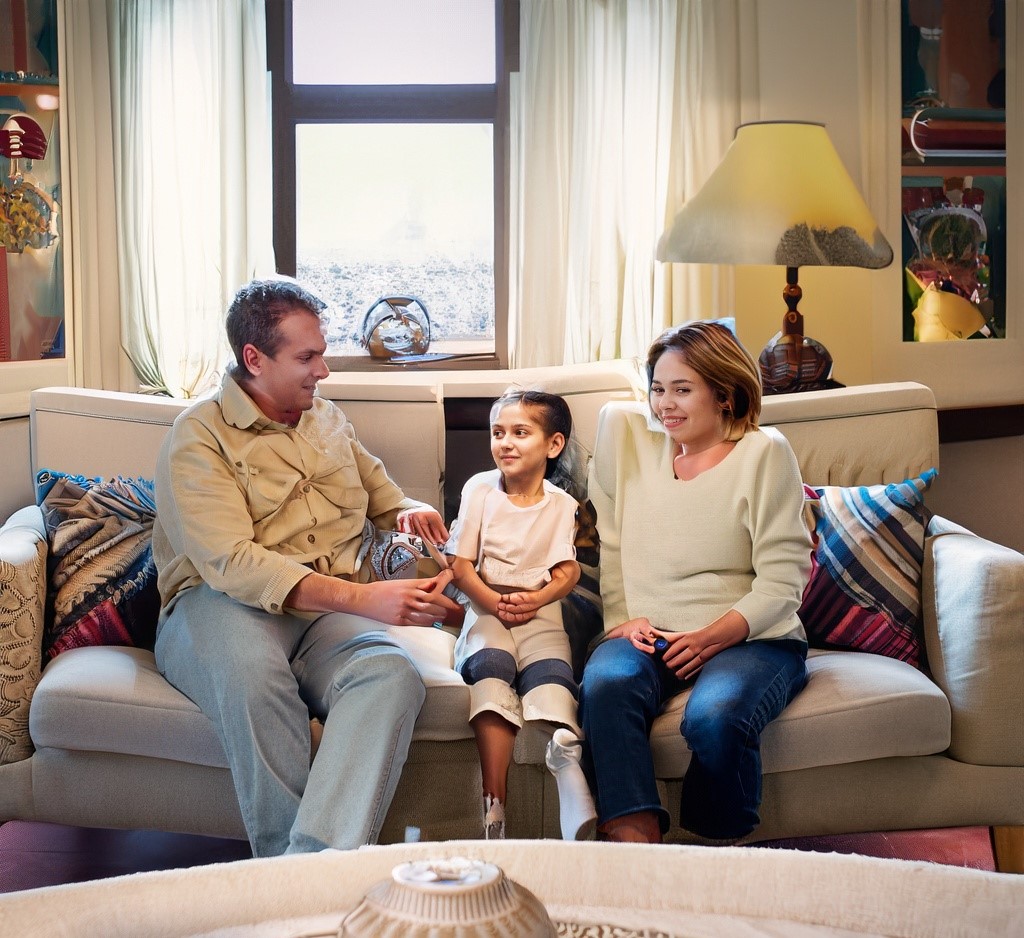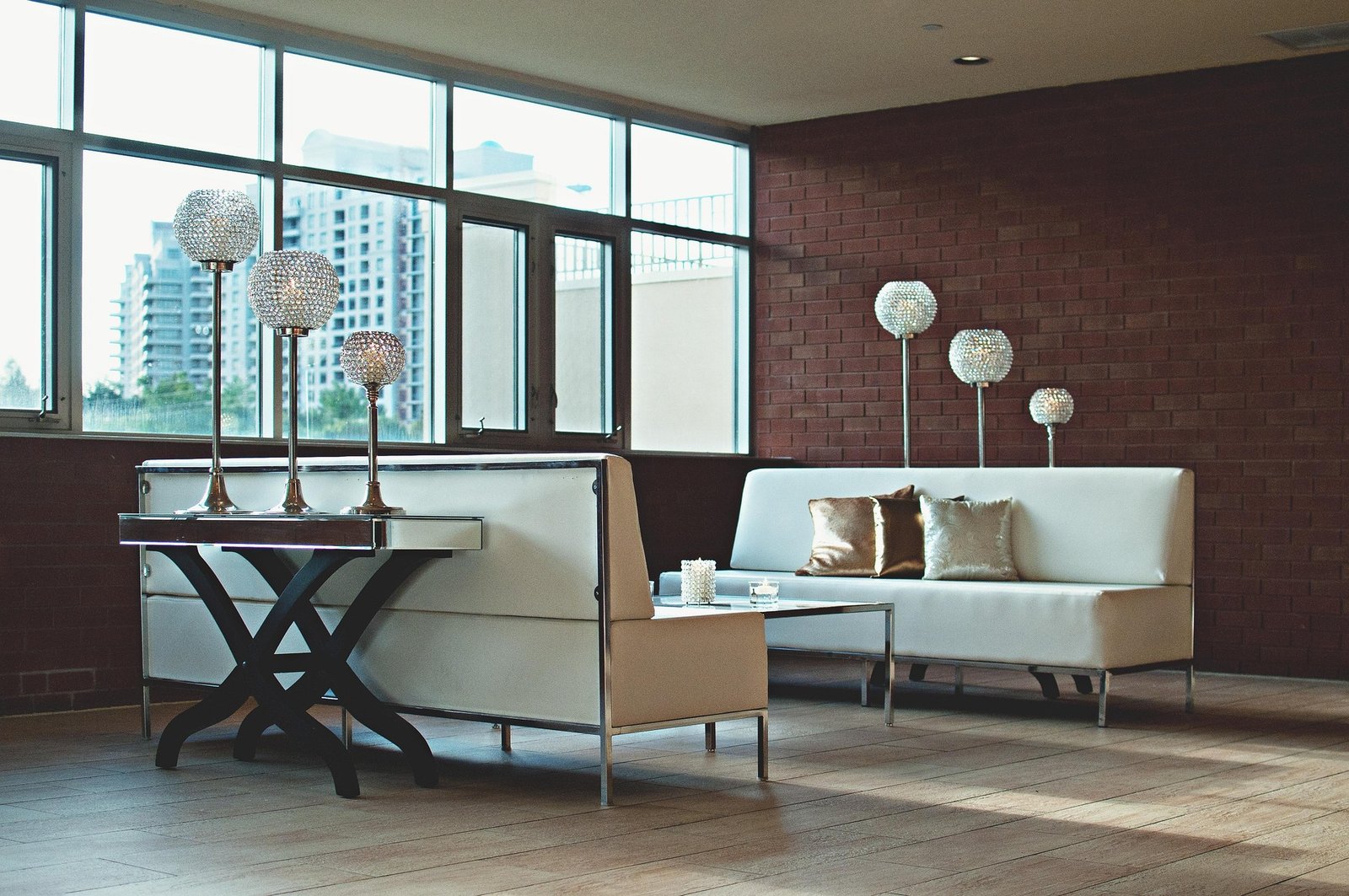
For the better part of a decade, it felt like every stylish home was working from the same blueprint. White walls. Neutral furniture. Open shelving with exactly three objects on it. Coffee tables arranged like museum displays. The goal was clear: create a space so clean and polished it could be photographed at any moment.
But homeowners are starting to push back.
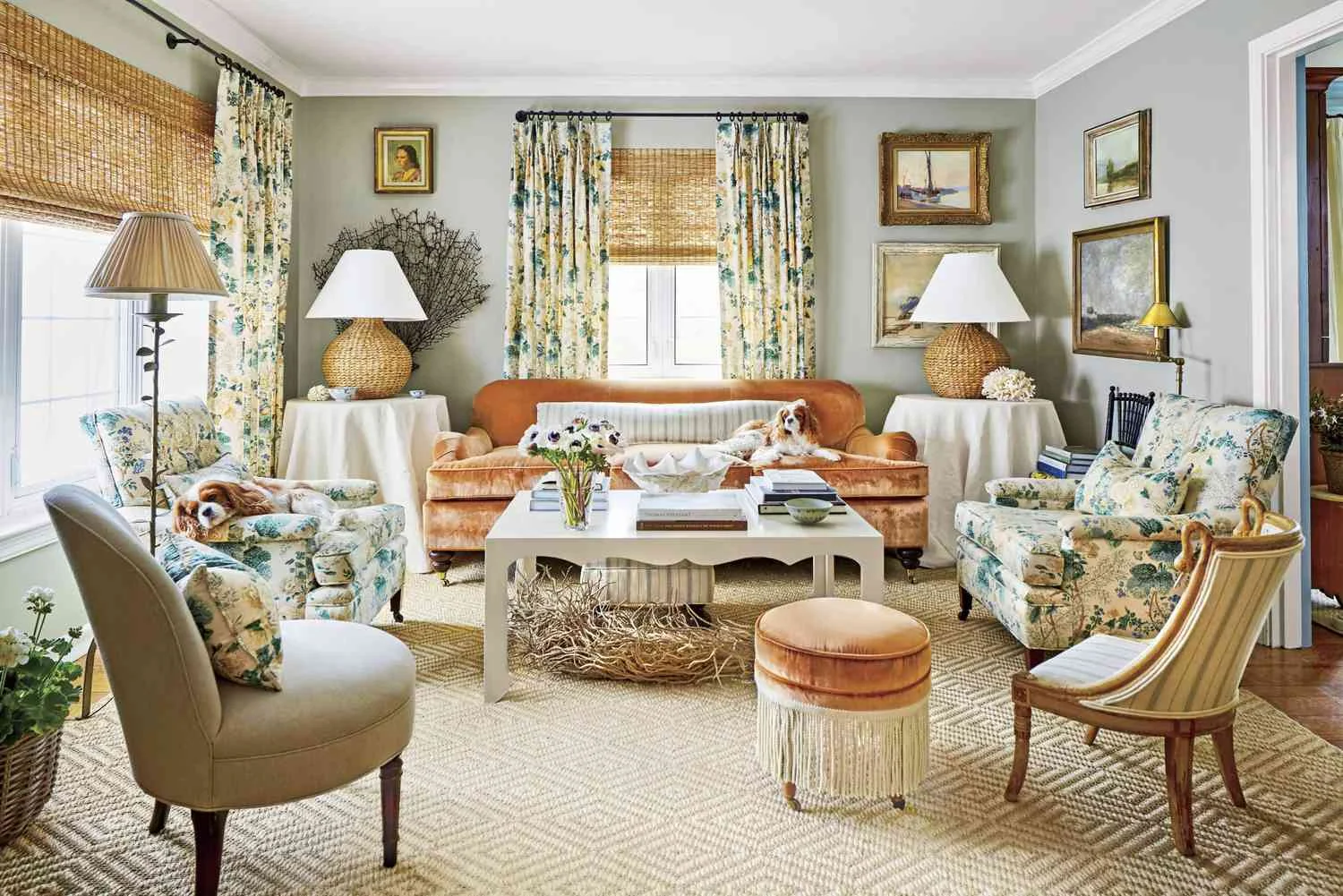
A growing number of people are replacing carefully curated minimalism with something far more personal: layered, collected interiors filled with books, artwork, vintage finds, family heirlooms, travel souvenirs, and pieces that tell a story. In other words, homes are getting a little messier. And they’re becoming much more interesting because of it.
The Problem With “Perfect” Interiors
Minimalism didn’t become popular by accident. It offered a sense of calm in a world overflowing with information, possessions, and distractions. A clutter-free home promised a clutter-free mind.
The problem is that many people eventually took the concept too far.
When every room follows the same neutral palette and every decorative object seems chosen primarily because it photographs well, homes can start to feel less like places people live and more like showrooms. Beautiful? Sure. Memorable? Not always.
Many homeowners have found themselves living in spaces that look impressive online but don’t say much about who actually lives there. A house filled entirely with trend-driven purchases may feel stylish, but it rarely feels personal.
That’s where the shift begins.
The Rise of the “Collected” Home
Instead of designing a room all at once, more people are embracing the idea of collecting pieces gradually.
A vintage lamp discovered at an estate sale. A painting purchased during a special trip. Books accumulated over years of reading. A handmade bowl from a local artist. A chair inherited from a grandparent.
Individually, these items might not fit a perfectly coordinated design plan. Together, they create something much more valuable: character.
Collected interiors aren’t about perfection. They’re about history.
When someone walks into a home filled with meaningful objects, they learn something about the people who live there. The space becomes a reflection of experiences rather than a reflection of whatever trend happens to be popular that year.
Bookshelves Are Making a Comeback
One of the clearest signs of this design shift is the renewed appreciation for books.
For years, books were often treated as decorative accessories. They were color-coordinated, stacked by size, or selected to match a room’s aesthetic. Sometimes they seemed to serve a design purpose more than a reading purpose.
Now, homeowners are displaying books because they actually read them.
Filled bookshelves instantly add warmth and personality to a space. Unlike mass-produced decor, a book collection develops naturally over time. It reveals interests, passions, hobbies, and memories.
The same principle applies to record collections, framed photographs, travel mementos, and personal artwork. These items create visual interest while also telling a story.
No designer can purchase that kind of authenticity from a catalog.
Vintage Pieces Are Winning Over Fast Furniture
The popularity of vintage and secondhand shopping also reflects this broader movement away from perfectly coordinated interiors.
People are increasingly drawn to furniture and decor with a past.
An older piece often brings unique craftsmanship, materials, or design details that are difficult to find in mass-produced products. Even imperfections can become part of the appeal. A worn leather chair, an antique mirror, or a weathered wooden table carries a sense of history that brand-new furniture can’t immediately replicate.
There’s also a practical advantage.
When every room doesn’t need to match a specific trend, homeowners gain the freedom to mix styles, colors, and eras. The result often feels more relaxed and more original than a space designed around a single look.
Personality Is Becoming More Important Than Resale Appeal
For years, homeowners were encouraged to decorate with future buyers in mind.
Keep everything neutral. Avoid bold choices. Remove personal touches. Create a space that appeals to everyone.
The logic makes sense if a home is about to go on the market. But many people have started questioning why they should spend years living in a house designed for hypothetical future buyers.
A home’s primary purpose is to support the people who live there now.
That doesn’t mean painting every wall neon green or abandoning practical design principles. It simply means making choices based on personal enjoyment rather than constantly optimizing for resale value.
If a gallery wall of family photos makes someone happy, that’s a worthwhile design decision. If a room feels more welcoming with colorful furnishings instead of endless shades of beige, that’s equally valid.
A home’s primary purpose is to support the people who live there now. That doesn’t mean abandoning good design principles. In fact, thoughtful room planning often makes it easier to create spaces that reflect personal taste while still feeling cohesive and functional. For homeowners who need help balancing the two, professional design resources can provide a framework without forcing every room to follow the latest trend.
Intentional Clutter Is Not the Same Thing as Being Disorganized
Critics sometimes confuse collected interiors with cluttered homes.
They’re not the same thing.
Actual clutter creates stress because it lacks purpose. Things pile up without organization or meaning.
Intentional clutter, on the other hand, is carefully selected. The objects displayed contribute to the atmosphere of a room. They represent memories, interests, and experiences.
The distinction is important.
The goal isn’t to fill every available surface. It’s to create a home that feels lived in rather than staged. A thoughtfully filled bookshelf, an eclectic gallery wall, or a collection of meaningful objects can make a room feel richer without feeling chaotic.
A More Human Approach to Design
Perhaps the biggest reason this trend resonates is that it feels human.
Real people accumulate stories, memories, hobbies, collections, and sentimental possessions over time. Their homes should reflect that reality.
Perfect design often looks impressive at first glance. Personal design tends to become more interesting the longer you spend with it.
As homeowners move away from cookie-cutter interiors and embrace collected spaces, they’re rediscovering something important: the most memorable homes aren’t the ones that look exactly like everyone else’s.
They’re the ones that couldn’t possibly belong to anyone else.
Conclusion
Minimalism isn’t disappearing, and there’s nothing wrong with a clean, uncluttered home. But the design conversation is shifting away from perfection and toward personality.
The most compelling interiors today aren’t defined by how closely they follow a trend. They’re defined by the stories they tell.
So if your shelves are full of books you’ve actually read, your walls display art you genuinely love, and your rooms contain a mix of objects gathered over years of living, you’re not failing at interior design.
You may be doing it better than ever.