
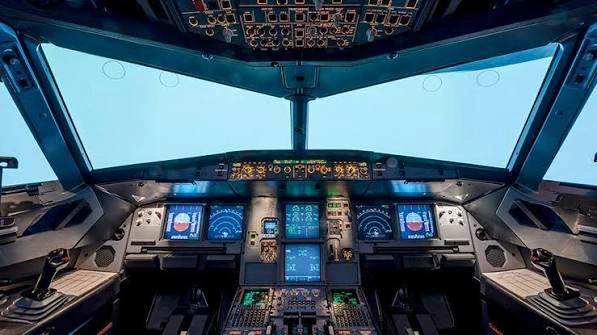
Aviation has always moved at the pace of its engineering, but the next decade looks poised to bring some of the most significant shifts the industry has seen in generations. Electrification, automation, and new materials are converging in ways that could reshape not just how aircraft perform, but how we think about flight altogether. Much of this innovation is happening quietly in research labs and test facilities right now, long before it reaches commercial runways. Here’s a look at where aircraft technology appears to be heading, and why these changes matter well beyond the aviation industry itself.
Electric and Hybrid Propulsion Gains Ground
For decades, jet fuel has been the unquestioned standard for powering aircraft, but that’s beginning to shift. Electric and hybrid-electric propulsion systems are moving from experimental concepts into real prototypes, particularly for shorter regional routes where battery weight is less of a limiting factor. These systems promise lower emissions, reduced noise, and potentially lower operating costs over time, which makes them especially attractive for regional carriers and urban air mobility concepts. The biggest hurdle remains energy density, since current battery technology still can’t match the power-to-weight ratio of traditional jet fuel for longer routes. Even so, incremental progress in battery chemistry continues to push the realistic range of electric aircraft further each year.
Lighter, Smarter Materials
Aircraft weight has always been directly tied to fuel efficiency, which is why materials science plays such an outsized role in aviation innovation. Advanced composites, which are lighter and often stronger than traditional aluminum, continue to replace more components throughout aircraft structures. Beyond composites, researchers are also exploring materials embedded with sensors that can monitor stress, temperature, and wear in real time, essentially giving aircraft a built-in nervous system. This kind of structural awareness could dramatically improve maintenance scheduling, catching potential issues long before they become safety concerns. As these materials mature, they’re likely to shave meaningful weight off future aircraft while simultaneously improving durability and safety monitoring.
Autonomous Systems Expand Their Role
Automation in aviation isn’t new, but its scope is expanding well beyond autopilot functions during cruise. Modern aircraft increasingly rely on sophisticated systems that assist with everything from navigation to emergency response, reducing pilot workload and improving consistency across flights. Fully autonomous passenger aircraft remain a longer-term goal, but incremental steps toward greater automation are already reshaping cargo flights and military applications, where regulatory hurdles are somewhat lower. Companies across the industry, including emerging players like HayesX, are contributing to this push by exploring how automation can enhance safety margins rather than simply replace human judgment. The near-term focus seems less about removing pilots entirely and more about giving them better tools to manage increasingly complex systems.
Sustainable Fuel Alternatives
While electrification captures a lot of attention, sustainable aviation fuel is quietly becoming one of the most practical near-term solutions for reducing aviation’s environmental footprint. These fuels, often derived from waste oils, agricultural byproducts, or other renewable sources, can be used in existing aircraft engines with little to no modification, which makes them far easier to scale than entirely new propulsion systems. Airlines and manufacturers are increasingly investing in sustainable fuel production and infrastructure, recognizing that a full transition to electric aircraft is still years away for most commercial routes. In the meantime, sustainable fuel offers a bridge that allows the industry to make real progress without waiting for a complete technological overhaul.
Smarter Air Traffic and Connectivity
Aircraft technology isn’t just evolving in the air. It’s also advancing in how planes communicate with each other and with ground control. Next-generation air traffic management systems aim to use real-time data more effectively, potentially allowing for more direct flight paths, reduced delays, and better fuel efficiency across entire networks rather than individual flights. Improved connectivity also supports better weather tracking and predictive maintenance, giving operators more advance warning before small issues become costly disruptions. As aircraft become more connected, the entire aviation ecosystem benefits from faster, more informed decision-making at every level.
Final Thoughts
The future of aircraft technology is being shaped by a combination of electrification, smarter materials, expanding automation, sustainable fuels, and improved connectivity, each addressing different pieces of the same broader challenge: making flight safer, cleaner, and more efficient. None of these advances exist in isolation, and the most meaningful progress will likely come from how well they integrate with one another. While some of these changes are still years from widespread adoption, the direction is clear, and the aviation industry appears ready to embrace it.