
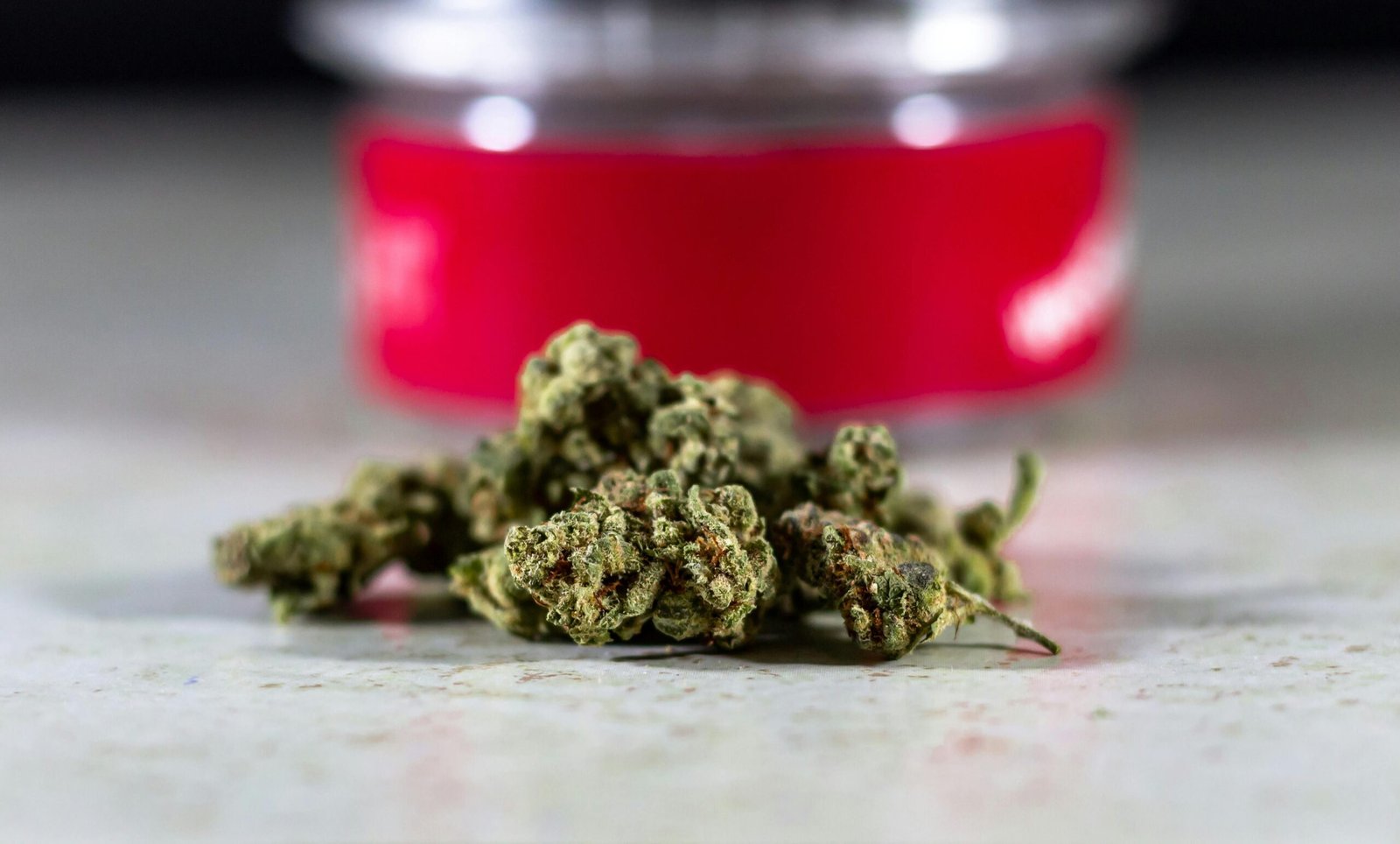
Growing plants at home has turned into something of a movement for those who want more control over their cultivation practices and the quality of what they’re producing. You might be drawn to this for self-sufficiency reasons, to save money in the long run, or simply for the deep satisfaction that comes from nurturing plants from their earliest stages all the way through to harvest. Whatever your motivation, home growing isn’t something you can just jump into without some serious planning and preparation. The knowledge you pick up before getting started can save you from expensive mistakes and help you create an environment where your plants will actually thrive.
Understanding Your Local Legal Requirements and Regulations
Before you get excited and start buying equipment or supplies, you need to do your homework on the legal framework governing home cultivation where you live. The laws around personal growing vary dramatically between states, counties, and even individual municipalities, what’s perfectly legal in one area might get you into serious trouble just a few miles away. Even in places where growing is permitted, you’ll typically find regulations spelling out exactly how many plants you can have, whether you’re restricted to indoor or outdoor cultivation, and what kind of security measures you need to implement to keep unauthorized people out of your growing area. Breaking these rules can lead to consequences nobody wants to face, including hefty fines, property seizure, and criminal charges that don’t care what your intentions were.
Assessing Your Space and Environmental Control Capabilities
The physical environment you select for growing will fundamentally shape what cultivation methods you can realistically use and which plant varieties will flourish under your specific conditions. Indoor growing gives you complete environmental control, but that control comes with a significant investment in lighting systems, ventilation equipment, devices for regulating temperature and humidity, and often dedicated electrical circuits that can handle the power demands. According to the United States Department of Agriculture, proper environmental control makes all the difference for plant health, temperature swings and inadequate air circulation create perfect conditions for pest infestations and disease problems that can wipe out entire crops. Outdoor growing cuts down on equipment costs and takes advantage of natural sunlight, but you’re also leaving yourself vulnerable to unpredictable weather, seasonal limitations, and potentially curious neighbors or wildlife looking for trouble.
Evaluating Your Time Commitment and Financial Investment
Home growing demands consistent attention and represents a more substantial financial commitment than most beginners realize when they first start considering cultivation. Your plants need daily monitoring for signs of pests, diseases, nutrient deficiencies, and watering needs, you can’t just set everything up and ignore it for days or weeks at a time. Throughout the vegetative and flowering stages, you’ll need to dedicate time to tasks including watering, adjusting nutrient solutions, pruning, training plants to grow in desired directions, checking pH and EC levels, maintaining equipment, and troubleshooting whatever problems pop up unexpectedly. The time investment goes up significantly if you decide to try more advanced cultivation techniques like hydroponics or mainlining, which require greater knowledge and more frequent interventions to execute successfully.
Selecting Quality Genetics and Starting Materials
The foundation of any successful grow begins with selecting appropriate genetics that match your skill level, environmental conditions, and what you’re hoping to achieve. Quality starting materials make an enormous difference in your final results, superior genetics provide better disease resistance, more predictable growth patterns, and higher quality yields compared to seeds from questionable sources. If you’re just starting out, you should prioritize varieties that have been specifically bred for ease of cultivation, forgiveness when you make minor mistakes, and resilience to common growing challenges like temperature fluctuations or feeding errors. Research different strain characteristics including growth height, flowering time, climate preferences, and whether they perform better indoors or outdoors so you can match varieties with your specific growing conditions. Auto-flowering varieties offer real advantages for new growers since they transition from vegetative to flowering growth automatically based on age rather than light cycle changes, which simplifies the cultivation process considerably. Photoperiod varieties give you more control over plant size and timing, but they require strict light schedule management to trigger and maintain flowering properly. When professionals need to source quality cannabis seeds for their cultivation projects, prioritizing reputable suppliers with established reputations for genetic stability, germination rates, and customer service rather than choosing based solely on price becomes essential. Poor quality genetics often carry hidden problems like hermaphroditism, weak vigor, susceptibility to mold and pests, or unstable characteristics that create frustrating growing experiences for cultivators at any skill level. Reading reviews from other growers and researching breeder reputations helps identify reliable sources that consistently deliver quality products. Starting with premium genetics from trustworthy sources significantly increases your chances of a successful first harvest and provides a solid foundation for developing your cultivation skills over time.
Planning Your Nutrient and Feeding Strategy
Understanding plant nutrition represents one of the most critical yet commonly misunderstood aspects of successful cultivation that directly impacts plant health and final yield quality. Your plants require a complex balance of macronutrients including nitrogen, phosphorus, and potassium, along with secondary nutrients and micronutrients that support various metabolic processes throughout the growth cycle. The nutritional needs of your plants change dramatically as they progress from seedling to vegetative growth and finally into the flowering stage, which means you’ll need to adjust feeding schedules and ratios accordingly. Many beginning growers make the mistake of overfeeding their plants, assuming that more nutrients automatically produce better results when the reality is that excess fertilization causes nutrient burn, pH imbalances, and salt buildup that damages root systems.
Conclusion
Successfully starting a home grow requires thorough preparation across legal, environmental, financial, genetic, and nutritional considerations that collectively determine how your cultivation turns out. Taking time to research local regulations protects you from legal troubles while ensuring your growing operation complies with all applicable laws and restrictions. Honestly assessing your available space, environmental control capabilities, time availability, and budget prevents common frustrations that cause many beginners to abandon cultivation before completing their first harvest. Selecting quality genetics from reputable sources and developing a solid understanding of plant nutrition establishes a strong foundation for growing healthy, productive plants.