
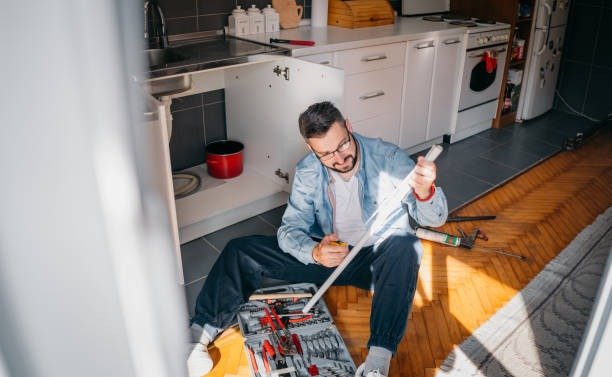
Have you ever noticed a small water stain on your ceiling or a dripping tap and thought it could wait until the weekend?
Small plumbing problems often seem harmless, but ignoring them can lead to expensive repairs.
Water damage can affect walls, flooring, furniture, and even the structure of your home. A leaking pipe or blocked gutter may slowly cause problems before you notice anything unusual.
The good news is that a few simple home maintenance habits can help prevent expensive water damage. You don’t need advanced plumbing knowledge or expensive equipment to get started.
Here are seven practical habits worth adding to your regular home maintenance routine.
1. Check Under Sinks and Around Plumbing Fixtures
Small leaks often develop in places homeowners rarely inspect. Kitchen cabinets, bathroom sinks, and washing machine connections are common areas where moisture can go unnoticed.
Make it a habit to inspect these areas at least once a month.
What Should You Look For?
Open the cabinets beneath your sinks and check for:
- Water droplets around pipe connections
- Damp patches or stains inside cabinets
- Musty smells or visible mould
- Swollen wooden surfaces
Run the tap while checking for dripping connections. If you notice moisture, identify its source and arrange repairs before the problem spreads.
2. Learn Where Your Main Water Shutoff Valve Is Located
Imagine returning home to find water flowing from a damaged pipe. Knowing how to stop the water supply could prevent further damage.
Every homeowner should know where the main water shutoff valve is located and how to operate it.
Make Water Shutoff Part of Your Maintenance Routine
Find your main valve and make sure it is accessible. Ask a plumber to check it if it is stuck, damaged, or difficult to operate.
Some homeowners also consider installing a smart water valve as an additional precaution. Depending on the system, these devices can monitor water activity and automatically stop the supply when a possible leak is detected.
However, automatic systems still require proper installation and occasional testing.
3. Clean Gutters and Downspouts Regularly
Your roof drainage system plays an important role in protecting your home from rainwater.
When gutters become blocked with leaves, dirt, or debris, water can overflow and reach exterior walls or collect near the foundation.
How Often Should You Check Gutters?
Inspect gutters at least twice a year, especially after periods of heavy leaf fall or severe weather.
Remove accumulated debris and check that downspouts direct water away from the foundation.
Also, look for loose gutter sections, damaged joints, or areas where rainwater collects.
If your home has multiple storeys or difficult roof access, consider hiring a professional rather than climbing a ladder yourself.
4. Inspect Washing Machine and Dishwasher Connections
Appliances that use water can develop leaks around hoses, connections, and drainage pipes.
These problems may remain hidden behind appliances until water reaches the surrounding floor.
Simple Appliance Checks That Make a Difference
Every few months, carefully inspect accessible hoses for cracks, bulges, moisture, or loose fittings.
Check the floor around your washing machine and dishwasher after use.
Replace damaged hoses promptly and follow the manufacturer’s maintenance recommendations.
Avoid moving heavy appliances or disconnecting plumbing connections without proper assistance.
5. Pay Attention to Unusual Water Usage
Sometimes, the first sign of a hidden plumbing problem is an unexpected increase in your water bill.
Even a small leak can waste considerable amounts of water when left unattended.
Use Your Water Meter to Identify Possible Leaks
Try this simple test:
- Turn off taps and water-using appliances.
- Record your water meter reading.
- Avoid using water for approximately two hours.
- Check the meter again.
If the reading changes, investigate for possible leaks. Remember that automatic irrigation systems and other equipment must also remain off during the test.
For additional monitoring, systems such as FloLogic use water-flow detection to identify unusual continuous usage and can automatically shut off the supply.
These systems can provide another layer of protection, but they do not replace regular plumbing inspections.
6. Check Bathroom Seals and Grout
Bathrooms experience regular moisture exposure, making them particularly vulnerable to hidden water damage.
Damaged sealant around bathtubs, showers, and sinks can allow water to reach surrounding surfaces.
Signs Your Bathroom Needs Attention
Inspect the edges of bathtubs, shower trays, and sinks for cracked or missing sealant.
Check tiles for loose sections and grout for visible gaps.
Repair damaged sealing materials promptly, using products suitable for wet areas.
Keep in mind that replacing surface sealant will not solve an existing leak behind the wall. Persistent dampness or recurring mould should be investigated by a qualified professional.
7. Inspect Your Roof and Ceiling After Heavy Rain
Roof leaks are not always immediately obvious. Water may enter through damaged roofing materials or flashing before appearing as a ceiling stain.
Checking your home after heavy rainfall can help identify these problems early.
What Should You Inspect?
Look for discoloured ceiling patches, peeling paint, damp attic insulation, or moisture around roof openings.
From ground level, inspect your roof for visibly displaced or damaged materials.
Avoid walking on the roof yourself, particularly after rain. Contact a roofing professional if you notice signs of damage.
Conclusion
Preventing expensive water damage often starts with small, consistent habits rather than major home improvements.
Checking plumbing connections, maintaining gutters, inspecting appliances, and monitoring water usage can help you identify problems before repairs become costly.
Set aside a little time each month for basic home maintenance. Address small leaks quickly, keep your drainage systems clear, and seek professional help when necessary.
A few minutes of regular attention today could save you considerable repair costs later.