
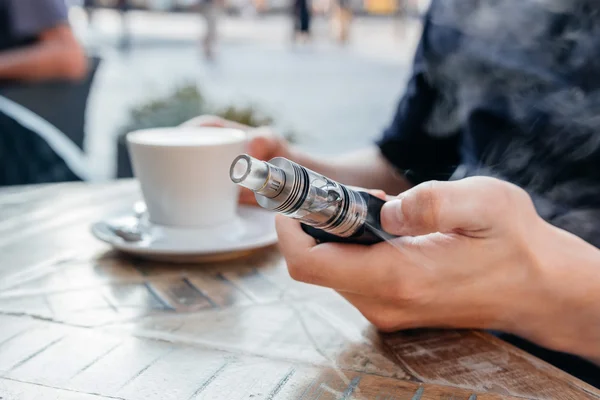
Have you ever noticed how many different vaping devices are available and thought about what makes them different?
From compact disposable devices to rechargeable models, vaping comes with several features that beginners may not immediately understand.
Learning about vaping involves more than knowing how an electronic cigarette works. Nicotine content, device construction, maintenance, health risks, and local regulations all deserve attention.
Unfortunately, beginners sometimes focus on appearance, flavours, or convenience without understanding these important details. Here are eight commonly overlooked aspects of vaping that can help you make better-informed decisions.
Understanding Vaping Devices and Their Features
Vaping devices may look similar, but their internal components and operating methods can differ considerably. Understanding these differences helps beginners recognise how the devices function and what risks they involve.
1. Not All Vaping Devices Work the Same Way
A common beginner mistake is assuming every vape operates identically.
Most vaping devices contain a battery, heating element, and liquid reservoir. However, their construction and maintenance requirements vary.
Common categories include:
- Disposable vapes: Usually prefilled devices intended for limited use.
- Pod systems: Compact devices using replaceable or refillable cartridges.
- Refillable vape devices: Equipment that allows users to replace e-liquid and, depending on the model, other components.
For example, disposable vapes generally require less routine maintenance than refillable systems. However, their single-use construction also creates additional electronic waste.
Understanding device categories helps beginners compare practical differences rather than relying on appearance.
2. Nicotine Strength Is More Important Than Flavour
Many beginners pay attention to flavours without checking nicotine concentrations.
E-liquids can contain different nicotine levels, commonly expressed in milligrams per millilitre (mg/mL) or percentages.
For example, a liquid containing 20 mg/mL has a nicotine concentration of 2%.
However, nicotine exposure also depends on device characteristics and usage patterns.
Nicotine is highly addictive, and excessive exposure can cause nausea, dizziness, or other symptoms.
People who do not already use nicotine should avoid starting.
3. Vapour Is Not Simply Water
One widespread misunderstanding is that vaping produces harmless water vapour.
Electronic cigarettes actually produce an aerosol when their heating elements warm e-liquid.
This aerosol may contain nicotine, tiny particles, heavy metals, and potentially harmful chemicals.
Even products labelled nicotine-free are not necessarily risk-free.
The practical lesson is simple: a pleasant smell or lack of visible smoke does not establish safety.
4. Battery Safety Deserves Attention
Vaping devices rely on batteries, and improper handling can create safety problems.
Damaged batteries may overheat or catch fire.
Basic precautions include:
- Avoiding damaged or swollen batteries.
- Following manufacturer charging instructions.
- Keeping devices away from excessive heat.
- Never charging equipment with unsuitable accessories.
These precautions cannot eliminate every risk, but understanding battery safety is an important part of learning about vaping.
Practical Considerations Beginners Frequently Miss
Beyond device specifications, vaping involves ongoing costs, disposal requirements, and legal restrictions. These considerations can matter just as much as the equipment itself.
5. The Initial Price Does Not Tell the Whole Story
Beginners sometimes compare vaping products based entirely on their advertised prices.
However, total expenses depend on the device category and ongoing usage.
Refillable equipment may involve replacement coils, cartridges, and e-liquid. Disposable products require replacing the complete device after use.
When comparing costs, consider the entire replacement cycle rather than one purchase.
It is also worth considering the financial impact of developing nicotine dependence.
6. Online Product Listings Need Careful Evaluation
Product descriptions often highlight flavours, puff counts, and convenience.
However, these details do not necessarily explain nicotine exposure, product safety, or legal compliance.
Someone searching for buy disposable vapes online should understand that online availability does not automatically mean a product is legally authorised or appropriate to use.
Important information to examine includes nicotine concentration, manufacturer identification, safety warnings, and local restrictions.
Puff-count claims should also be treated as estimates rather than guaranteed usage figures.
7. Disposable Devices Require Proper Disposal
Disposable vaping devices contain electronic components and may also contain residual nicotine.
Throwing them into ordinary household rubbish can create environmental and fire hazards.
Lithium batteries can become damaged during waste processing, while remaining nicotine liquid may pose additional risks.
Appropriate household hazardous waste collection facilities may accept these devices, depending on local rules.
Local recycling and disposal requirements may differ, so checking municipal guidance is important.
8. Vaping Regulations Differ Between Locations
Another overlooked issue is that vaping laws are not identical everywhere.
Certain jurisdictions restrict nicotine concentrations, product flavours, advertising, sales, or vaping in public places.
Other locations prohibit the commercial sale of electronic cigarettes altogether.
Before making assumptions about availability or permitted use, check current government regulations.
For adults who smoke cigarettes, understanding the distinction between switching completely and using both products is also important. Using cigarettes alongside vaping does not reliably protect health.
Conclusion
Learning about vaping requires attention to more than device appearance or flavour options. Nicotine concentration, aerosol exposure, battery handling, maintenance costs, disposal, and local regulations all affect the bigger picture.
The most important takeaway for beginners is that vaping is not harmless. Although vaping generally exposes users to fewer harmful chemicals than cigarette smoke, it still carries health risks.
Understanding these eight points can help readers assess vaping information more carefully, avoid common misconceptions, and make informed decisions about their health.