Clear vision after cataracts is not only about removing cloudiness. Many people also want to know whether they can read, drive, use a phone or watch television with glasses. This is where lens choice, eye health and daily visual needs matter. With guidance from an eye specialist, surgery may improve clarity and reduce spectacle dependence.
This article explains how cataract treatment may improve visual clarity, how IOL selection matters and when glasses may still be needed after surgery.
How Cataract Surgery Improves Vision
Cataract surgery removes the cloudy natural lens and replaces it with a clear artificial intraocular lens (IOL). This helps light focus more clearly on the retina, so vision can become brighter and more comfortable.
Modern phaco surgery uses ultrasound energy to break the cloudy lens before removal. Some centres may offer laser cataract surgery, where laser assistance supports selected steps after eye evaluation.
Choosing the Right Intraocular Lens (IOL)
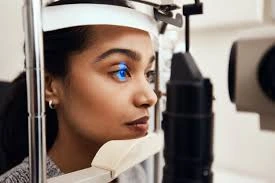
The IOL choice affects how much you may depend on glasses after cataract surgery. Your doctor measures the eye and discusses work, reading habits, screen use and driving needs.
- Monofocal IOLs for one main distance
- Toric IOLs for suitable cases with astigmatism
- Multifocal or extended range IOLs for a wider visual range
Cataract surgery cost may vary with lens type, technology, hospital facilities and treatment planning, so discuss it during consultation.
Can Cataract Surgery Eliminate Glasses?
Cataract surgery can reduce the need for glasses for many people, especially for distance vision, when the selected IOL supports that goal. Some patients manage routine activities with less dependence on spectacles after healing.
However, complete freedom from glasses should not be treated as certain. Reading, fine print, long screen work or night driving may still need support. The expected result depends on the IOL selected and how the eye heals.
When Glasses May Still Be Required
Glasses may still be useful after cataract treatment in several everyday situations. Even with a well-planned lens, the eye may need a small correction for sharper focus.
You may need glasses for:
- Reading books, bills or medicine labels
- Computer work or mobile screen use
- Residual power or astigmatism
- Night driving comfort
- Other eye conditions affecting clarity
This does not mean the surgery has failed. It means the final visual balance may still benefit from spectacles for specific tasks.
Conclusion
Cataract treatment can do much more than clear a cloudy lens. With suitable IOL planning, it may reduce your dependence on glasses and make daily activities easier. Still, the result is shaped by eye health, lens choice and personal visual needs. A detailed consultation with an eye specialist is the right way to understand what level of spectacle independence is realistic for your eyes.
FAQs
1. Will I stop wearing glasses after cataract surgery?
Not always. Many people may rely less on glasses, but some still use them for reading, screen work or night driving.
2. Which lens helps reduce glasses dependence?
Multifocal, extended range or toric lenses may help, depending on your eye condition and daily needs.
3. Is cataract surgery only for clearer vision?
No, it removes the cloudy lens, and with proper IOL planning, it may also improve focusing comfort.
4. When should I discuss glasses-free vision?
Discuss it before surgery, during your eye evaluation and lens selection.