
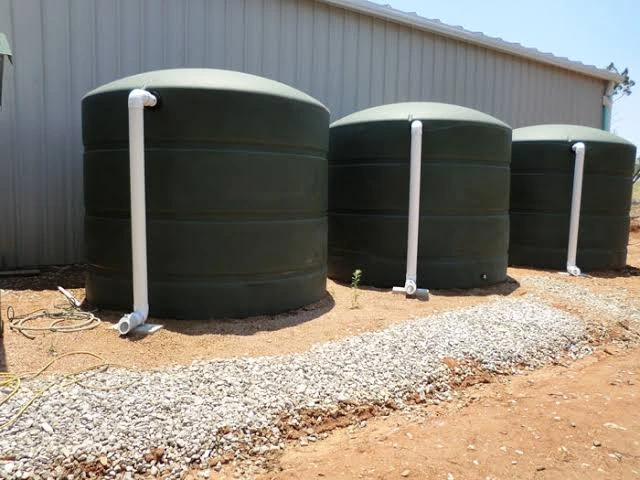
Freshwater is one of the planet’s most precious resources, yet most of us barely think twice about it as it disappears down the drain. With droughts becoming more frequent, water tables dropping in many regions, and municipal water systems under increasing pressure, more homeowners and businesses are looking for smarter ways to manage their water use. One of the simplest and most effective solutions available today is a rainwater collection tank. Beyond the obvious perk of saving money on your water bill, collecting rainwater delivers a surprising range of environmental benefits that make it well worth considering.
Reducing Pressure on Local Water Supplies
Every gallon of rainwater you collect is a gallon that doesn’t need to be pulled from a river, reservoir, or underground aquifer. This might seem small on an individual level, but when communities adopt rainwater harvesting broadly, the cumulative effect on local water supplies can be significant. Aquifers in many parts of the country are being depleted faster than they naturally recharge, and surface water sources face mounting competition from agriculture, industry, and growing urban populations. By tapping into rainfall, households and businesses reduce their draw on these shared resources, helping to preserve them for future generations and for the ecosystems that depend on them.
Decreasing Stormwater Runoff and Pollution
When rain falls on rooftops, driveways, and parking lots, it has nowhere to go but down, picking up pollutants along the way. This stormwater runoff carries oils, fertilizers, pesticides, and other contaminants directly into streams, rivers, and coastal waters, contributing to algae blooms, fish kills, and degraded water quality. A rainwater collection system intercepts this water before it can cause harm, holding it in place for later use. Even a modest tank capturing runoff from a standard residential roof can keep thousands of gallons of potentially polluted water out of local waterways each year. It’s a quiet but meaningful way to protect aquatic ecosystems without requiring any dramatic lifestyle change.
Supporting Healthier Soil and Gardens
Tap water is treated with chlorine and other additives designed to make it safe for drinking, but those same chemicals aren’t always ideal for plants and soil biology. Collected rainwater, by contrast, is naturally soft and free of the salts and minerals that can accumulate in soil over time with repeated irrigation. Gardens, lawns, and landscaping irrigated with rainwater tend to thrive more naturally, and healthier soil holds more carbon, supports more biodiversity, and requires fewer chemical inputs to stay productive. A well-built, sturdy galvanized water tank can store large volumes of collected rainwater reliably through dry spells, giving gardeners and farmers a clean, chemical-free irrigation source exactly when they need it most.
Lowering Energy Consumption in the Water System
It takes a surprising amount of energy to deliver clean water to your tap. Water must be pumped from its source, treated at a facility, and then pressurized through a distribution network before it ever reaches your home. All of that requires electricity, much of which still comes from fossil fuels in many parts of the world. When you use harvested rainwater for irrigation, toilet flushing, laundry, or other non-drinking purposes, you are effectively reducing demand on that energy-intensive system. Scaled across a neighborhood or city, widespread rainwater harvesting could meaningfully cut the carbon footprint associated with water delivery, contributing to broader climate goals without requiring any new technology or infrastructure.
Encouraging a More Sustainable Relationship with Nature
Perhaps one of the less obvious but equally important benefits of rainwater harvesting is what it does to the way people think about water. When you actively collect and store rainfall, you become more aware of weather patterns, seasonal changes, and how much water your household actually uses. This mindfulness tends to encourage broader conservation habits, from fixing leaks faster to rethinking lawn sizes to choosing drought-tolerant plants. Communities that embrace rainwater harvesting often develop a more thoughtful, sustainable relationship with their local environment overall, and that cultural shift can have ripple effects far beyond water use alone.
Conclusion
Rainwater collection is one of those rare solutions that manages to be practical, affordable, and genuinely good for the planet all at once. From easing the strain on overtaxed water supplies to cutting stormwater pollution, reducing energy demand, and fostering a more conservation-minded community, the environmental case for collecting rainwater is compelling. Whether you are a homeowner looking to green your property or a business aiming to shrink its environmental footprint, investing in a rainwater collection system is a straightforward step toward a more sustainable future. Sometimes the best solutions really are as simple as catching what falls from the sky.