
Key Takeaways
- Good valve box maintenance begins with clear asset records and a pre-job plan.
- Crews should assess traffic, underground utilities, water, soil stability, and access before starting work.
- Cleaning the box creates an opportunity to inspect the valve, lid, riser, stem, and surrounding surface.
- Equipment selection should match the material in the box and the limits of the jobsite.
- Accurate records support preventive maintenance, better response times, and long-term asset planning.
Table of Contents
- Why Valve Box Maintenance Matters
- Common Field Problems
- Build a Pre-Job Plan
- Check Site Safety Risks
- Choose the Right Tools
- Clear the Box and Restore Access
- Inspect and Exercise the Valve
- Record Findings for Future Visits
- Common Questions
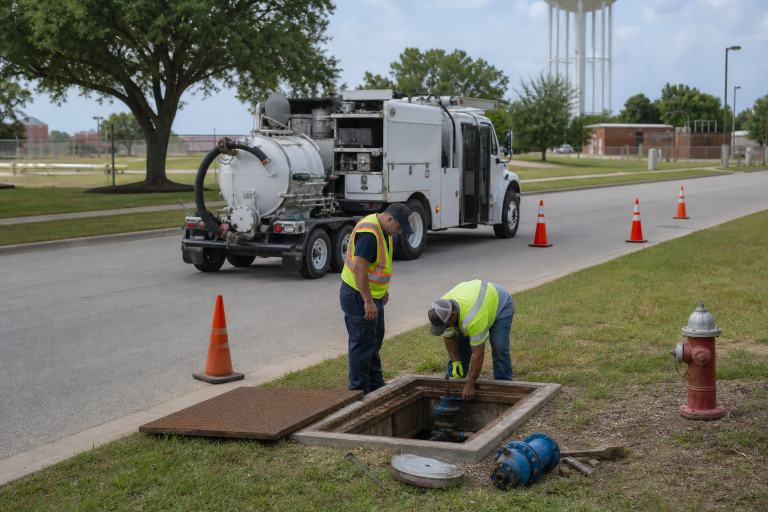
Water utilities depend on accessible, reliable valves to isolate mains, manage service areas, and respond quickly to leaks or planned repairs. When a valve box fills with mud, gravel, leaves, or water, a simple shutdown can become a delayed and riskier field task. For crews that regularly deal with buried access points, a purpose-built vac trailer from Hurco Technologies, Inc. is one equipment option designed for clearing debris from valve boxes as part of a broader valve maintenance system. Manufactured in Harrisburg, South Dakota, Hurco Technologies, Inc. specializes in underground utility equipment, including hydro excavation vacuums and valve maintenance tools used by municipal and public works crews in South Dakota and surrounding service areas.
Strong valve box maintenance is not just about removing debris. It requires planning, site safety checks, suitable tools, careful valve inspection, and records that make the next visit faster and more informed.
Why Valve Box Maintenance Matters
Distribution valves allow a utility to isolate a section of pipe without shutting down more customers than necessary. That function depends on crews being able to locate the box, remove the cover, reach the operating nut, and operate the valve according to approved procedures. If a crew arrives after a storm and finds the box packed with mud, the delay can affect repair time, traffic control, customer communication, and service restoration.
Routine maintenance reduces surprises. It also helps utilities identify a bent riser, broken lid, settling pavement, corroded stem, or misaligned box before those issues become urgent. The entire access point deserves attention, not only the valve itself.
Common Field Problems Crews Face
Valve boxes are exposed to changing ground and surface conditions year-round. Common obstacles include sand, gravel, leaves, mud, standing water, frozen soil, damaged lids, missing markers, and box sections that have shifted out of alignment. Crews may also face parked vehicles, narrow rights-of-way, landscaping, heavy traffic, or incomplete asset-location records. These conditions can add time and create hazards if the work proceeds without a clear plan.
Step 1: Build a Clear Pre-Job Plan
Before dispatching a crew, confirm the valve location, asset number, valve type, size, installation history, and most recent service date. Review whether operating the valve could affect customers, businesses, fire protection, or critical facilities. Weather, traffic patterns, ground conditions, and available work space should influence the crew, tools, and traffic-control measures assigned.
- Confirm the location using maps, markers, and available field records.
- Identify expected debris, water conditions, and access limitations.
- Determine whether hand tools, pumping, lighting, vacuum equipment, or replacement parts may be needed.
- Establish a stop-work point if unsafe soil, unknown utilities, or other hazards are found.
Utilities can use asset-management practices to connect field work with long-term planning. The EPA’s water utility asset management guidance describes asset management as a way to manage infrastructure while supporting the desired level of service and controlling life-cycle costs.
Step 2: Check the Site for Safety Risks
Opening a valve box may be a limited task, but conditions can change quickly if crews need to dig, expose components, or work beside traffic. Locate nearby underground utilities before disturbing soil. Set cones, signs, barriers, and a spotter when vehicles or pedestrians are close. Check for standing water, unstable soil, overhead lines, damaged pavement, nearby structures, and restricted equipment access.
If the work becomes excavation or trenching, follow applicable procedures for protective systems, safe entry and exit, water hazards, spoil placement, and competent-person inspections. OSHA’s trenching and excavation safety guidance is a useful reference for recognizing these hazards. Keep tools, hoses, removed material, and equipment away from open edges whenever possible.
Step 3: Choose the Right Tools for the Work
No single tool fits every valve box. Hand tools may be appropriate for shallow, loose debris. Pumping equipment can help where water is the primary obstruction. Vacuum-assisted cleaning may be useful when crews need to remove loose soil, gravel, mud, or mixed debris with less manual digging around buried infrastructure. Lighting, mirrors, inspection cameras, lifting aids, and replacement lids should also be considered based on site conditions.
Choose methods that balance speed with control. Equipment transport, noise, cleanup needs, nearby utilities, surface restoration, and crew experience all matter.
Step 4: Clear the Box and Restore Access
- Secure the work area and verify the correct valve location.
- Remove the lid using safe handling methods.
- Check for water, contamination, unstable material, and damaged components.
- Remove debris in controlled stages to avoid striking the stem, operating nut, pipe, or box walls.
- Confirm the operating point is visible, clean, and reachable.
- Dispose of removed material according to local requirements.
- Repair or replace the lid, marker, and surrounding surface as needed before leaving.
Step 5: Inspect and Exercise the Valve
Once the access point is clean, inspect the stem and operating nut for corrosion, damage, or unusual wear. Look for leaks, settlement, box movement, or evidence that the valve is no longer centered beneath the box. If the operation is scheduled, follow the utility’s approved procedure and confirm the expected direction of travel.
Stop if the valve shows unusual resistance, noise, incomplete travel, or pressure changes that do not match expectations. Forcing a valve can damage the asset or create an avoidable service disruption. Document the condition and refer the issue for qualified evaluation when necessary.
Step 6: Record Findings for Future Visits
Good records reduce uncertainty during the next repair or inspection. Capture the date, location, asset number, valve type, debris found, water conditions, condition of the lid and riser, equipment used, whether the valve operated successfully, completed repairs, and follow-up needs. Before-and-after photos can be especially useful when pavement settlement, damaged covers, or recurring debris are involved.
Common Questions About Valve Box Maintenance
How Often Should a Valve Box Be Inspected?
Frequency should reflect valve criticality, traffic exposure, flood risk, soil conditions, local maintenance policy, and past problems. High-risk or hard-to-access valves may need more frequent inspection.
Should Crews Clean a Valve Box Before Operating the Valve?
Yes, when conditions allow. Crews should first confirm that the box is safe, then clear the operating point so debris does not interfere with the key, stem, or operating nut.
When Is Vacuum-Assisted Cleaning Useful?
It can be useful when loose soil, gravel, mud, or water obstructs access and controlled removal is needed near buried utility assets.
What Should Happen if a Valve Will Not Turn?
Do not apply excessive force. Stop, document the condition, review the approved operating procedure, and arrange evaluation or repair by qualified personnel.
A Safer Routine for 2026
Valve box maintenance works best as a planned routine rather than a rushed response. Check the site, protect the crew, clear access carefully, inspect the valve, and record the result. Combined with accurate asset data and equipment suited to the work, this process can help utilities improve reliability while reducing avoidable delays in the field.