
Key Takeaways
- A useful home tour evaluates daily comfort, condition, location, and long-term fit, not just finishes.
- Natural light, sound, odors, storage, layout, and maintenance clues often matter more in person than they do online.
- Buyers should take notes, ask direct questions, and avoid allowing one impressive feature to outweigh practical concerns.
- Sellers can improve the showing experience by making rooms easy to understand, clean, bright, and accessible.
- A professional inspection is still an important step after a buyer becomes serious about a property.
Listing photos and virtual tours are helpful for narrowing a search, but they cannot fully show how a home feels. Buyers need to experience the scale of rooms, the sounds from the street, the amount of privacy, and the flow between everyday spaces. For a local perspective on evaluating homes throughout Snohomish County, Snohomish WA real estate agent Kathie Salvadalena offers home search tools, buyer resources, neighborhood information, and real estate guidance. Kathie Salvadalena is a Snohomish-based managing broker and accredited staging professional with experience serving Snohomish, Everett, Lake Stevens, Monroe, and surrounding communities.
A strong tour combines an emotional reaction with a practical review. It is reasonable to notice whether a home feels welcoming, but buyers should also look beyond paint colors, furniture, and staging to determine whether the property can support daily life and whether its visible condition fits the asking price.
Why In-Person Tours Still Matter
Photos can make a room appear larger, brighter, or more private than it feels in person. A visit reveals ceiling height, walkway clearance, traffic patterns, neighboring views, and whether the home receives useful daylight. Walk through every room, including closets, utility areas, the garage, and exterior spaces. Digital tools are excellent for research, but an in-person visit is where buyers can identify questions that deserve a closer look.
The First Five Minutes Set the Tone
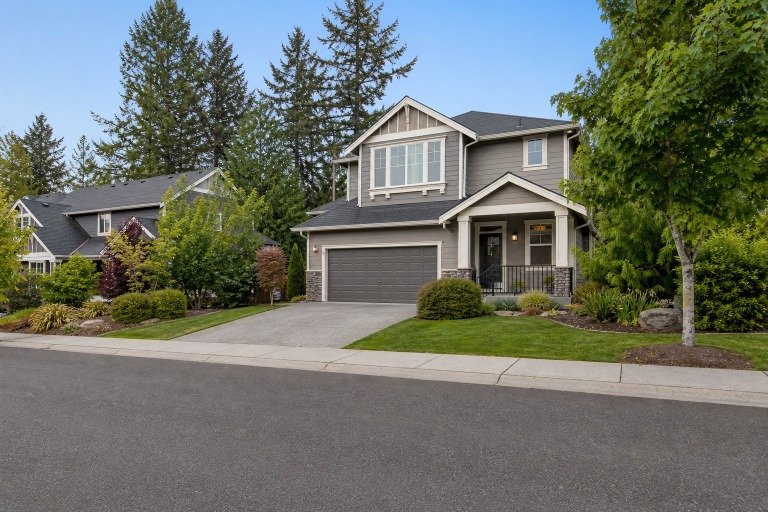
- Notice the approach. Consider parking, sidewalks, landscaping, drainage, nearby homes, and the street’s condition.
- Assess the entry. Pay attention to temperature, lighting, odors, clutter, and whether the entrance feels easy to navigate.
- Look at the main view. Ask whether the first room feels bright and open or disconnected and cramped.
- Pause and listen. Road noise, neighboring activity, HVAC sounds, appliance noise, and echoes can affect everyday comfort.
- Record your first reaction. Trust the observation, but do not let a beautiful kitchen or view decide the entire purchase.
What to Check in Each Room
Living Room and Bedrooms
Picture your own furniture in the space rather than relying on staged pieces. Check whether sofas, beds, desks, and lamps can fit without blocking walkways. Notice outlet placement, window privacy, closet depth, useful natural light, and noise from shared walls or nearby streets. A secondary bedroom may need to work as an office, guest room, nursery, or hobby space later, so flexibility matters.
Kitchen and Bathrooms
Open cabinets, drawers, pantry doors, and closets. In the kitchen, consider counter space, ventilation, storage, and how easily someone can move between the sink, refrigerator, stove, and prep areas. Look beneath sinks and around dishwashers for staining or moisture. In bathrooms, inspect caulking, ventilation, drainage, water pressure, cabinetry, and ceilings for signs of past leaks. Cosmetic updates can be manageable, while water-related concerns may require more investigation.
Basement, Garage, and Utility Areas
These spaces often tell a clearer maintenance story than the main living areas. Watch for standing water, musty smells, visible cracks, poor drainage, mold-like staining, or damaged materials. Check whether the garage fits the intended vehicles and equipment. Ask about the apparent age and service history of major systems such as the furnace, water heater, electrical panel, and roof.
Features Photos Often Missed
- How daylight changes from one room to another.
- Whether the floor plan feels connected, practical, and private.
- Uneven flooring, sticky windows, loose handles, or doors that do not close smoothly.
- How much sound travels between rooms, floors, and neighboring properties?
- Odors that become noticeable when heating or air conditioning is running.
- Views into neighboring homes, yards, streets, or public spaces.
How Sellers Can Prepare Without Overdoing It
Sellers do not always need a major renovation before listing. The goal is clarity. Remove excess furniture so room proportions are visible, clean windows and high-touch areas, replace burned-out bulbs, repair loose hardware, and keep storage spaces reasonably organized. Open blinds when the view and daylight are strong. Address persistent odors at the source instead of masking them with heavy fragrances. Simple notes on upgrades, permits, and routine maintenance can also help visitors better understand the home.
Questions Buyers Should Ask During a Tour
- How old are the roof, HVAC equipment, water heater, windows, and electrical panel?
- Have there been leaks, flooding, foundation repairs, insurance claims, or drainage issues?
- Which improvements were completed, and were permits required?
- What are the typical utility costs, homeowners’ association fees, rules, or assessments?
- How long has the home been on the market, and what makes it different from nearby properties?
- Are there known issues that will appear in seller disclosures?
Older, Historic, and Character Homes
Original details can add warmth and appeal, but charm should be evaluated alongside maintenance needs. Look carefully at plumbing, electrical systems, insulation, windows, roofing, drainage, and structural conditions. Historic materials may require specialized repairs, and buyers should consider whether preservation costs align with their plans for the property. A knowledgeable local professional and qualified inspectors can help distinguish a manageable project from an expensive surprise.
When a Tour Should Lead to More Research
A promising property is just the start of your due diligence. Begin by reviewing the seller’s disclosures, comparing recent sales and competing listings, and researching property taxes and zoning regulations. It’s also important to drive the commute at the times your household would actually travel. Before finalizing your decision, check flood and insurance considerations. Once your offer is accepted, a professional inspection can provide a more detailed assessment of the property’s condition. Keep in mind that an appraisal estimates market value, while an inspection evaluates the property’s condition.
A Simple Home Tour Scorecard
After each showing, rate the following from 1 to 5 and write down unanswered questions:
- Location: Commute, noise, access, privacy, and neighborhood fit.
- Layout: Room flow, storage, flexibility, and furniture fit.
- Condition: Visible upkeep and likely near-term repairs.
- Monthly cost: Mortgage, taxes, insurance, utilities, HOA fees, and maintenance.
- Long-term fit: Future household needs, resale appeal, and lifestyle changes.
Common Home Tour Mistakes
Avoid focusing only on paint colors, overlooking storage and utility spaces, assuming that staged furniture reflects the true room size, or touring only at one quiet time of day. Take notes and photos where permitted, compare homes shortly after each visit, and do not rush into an offer before reviewing disclosures, total costs, and inspection options.
Conclusion
A successful home tour looks beyond attractive finishes to evaluate how a property will function in everyday life. By carefully assessing condition, layout, location, maintenance needs, and long-term costs, buyers can make more informed decisions and move forward with greater confidence before committing to one of their largest investments.