
Key Takeaways
- A restraining order hearing is a civil court proceeding where both sides may present facts, evidence, and witnesses.
- The hearing notice controls the date, time, location, department, and any instructions for appearing remotely.
- Preparation matters. Bring organized copies of court papers, relevant evidence, and a short outline of the facts you need to explain.
- The judge may grant, deny, modify, or continue the requested order, depending on the evidence and procedural status of the case.
- People seeking protection and people responding to a request should take the court date seriously and follow every current temporary order.
Table Of Contents
- Understanding The Hearing
- What To Do Before Court
- Arriving At The Courthouse
- What Happens In The Courtroom
- Presenting Evidence Clearly
- Possible Outcomes After The Hearing
- Children, Safety, And Practical Concerns
- Common Questions
A restraining order hearing can feel intimidating, especially when the people involved have a difficult history or important issues are at stake. Whether you requested protection or received notice that someone is seeking an order against you, preparation can make the process more manageable. For individualized guidance about a North San Diego County matter, Griffith Young can help people understand the procedural and practical questions that may arise before a hearing.
North San Diego County cases are generally handled through the Superior Court’s North County facilities in Vista, but the exact courtroom, department, appearance method, and instructions can vary. Review every page of your notice rather than relying on assumptions, and check the court’s current location and hearing information before leaving for court.
Understanding The Hearing
A restraining order hearing is not simply a chance to repeat what was written in the initial paperwork. It is the court date when the judge gives each side an opportunity to address the request and decide whether longer-term orders should be issued. The type of case may involve domestic violence, civil harassment, elder or dependent adult abuse, workplace violence, or another protective-order process. The specific legal standard and available orders depend on the case type.
Temporary orders may already be in effect before the hearing, or a judge may have denied temporary orders while still scheduling a hearing. Either way, the scheduled date remains important. A temporary order must be followed until it expires, is changed, or is replaced by a later court order.
What To Do Before Court
Start by reading the filed request, response, notice of hearing, and temporary order carefully. The person seeking protection should identify the events and requested protections they want the judge to address. The responding person should understand every allegation and every requested restriction before deciding what evidence or explanation is relevant.
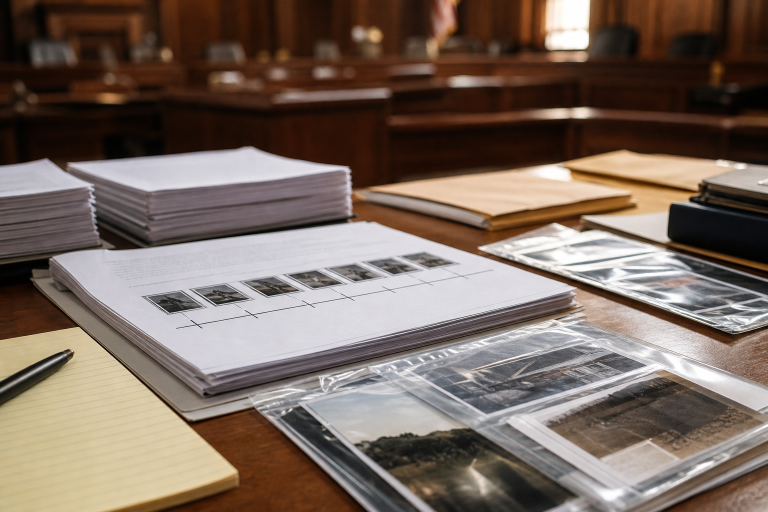
Prepare A Simple Hearing File
- Bring copies of the filed court papers and proof of service, if applicable.
- Organize texts, emails, photographs, call logs, medical records, police reports, or other materials by date.
- Prepare enough copies for the judge, the other side, and yourself when required.
- Make a short timeline of important events, using dates and specific facts.
- Contact witnesses early if their testimony is genuinely relevant.
- Write down the main points you need to communicate so stress does not cause you to forget them.
Evidence should help establish a disputed fact, not merely show that the relationship was unhappy. Avoid bringing large stacks of unrelated messages. Clear, dated materials connected to the allegations are usually more useful than an unorganized volume of documents. The California courts explain that parties may bring evidence and witnesses, and that both sides ordinarily have an opportunity to speak during the restraining order court process.
Arriving At The Courthouse
Plan to arrive early. You may need time for parking, building security, finding the courtroom, and checking in. Hearings are often scheduled alongside other matters, so being present at the listed start time does not necessarily mean your case will be called immediately. Bring identification, silence your phone, dress neatly, and do not bring food or drinks into the courtroom unless permitted.
If safety is a concern, tell court staff or the bailiff as soon as you arrive. Do not attempt to negotiate, argue, or exchange documents directly in a hallway if doing so could create risk or violate a temporary order. Ask staff about safe waiting arrangements or other available procedures.
What Happens In The Courtroom
When the case is called, both sides will typically sit at separate tables near the front of the courtroom. The judge may confirm names, ask whether either side has witnesses or additional evidence, and place participants under oath. Usually, the person requesting the order speaks first, but the judge controls the format and may ask questions in a different order.
Each person should address the judge, not the other party. Speak slowly, answer the question asked, and focus on concrete details: what happened, when it happened, who was present, and what evidence supports the point. Interruptions, insults, speculation, and arguments about unrelated relationship problems can make it harder for the judge to identify the important issues.
Presenting Evidence Clearly
Use your timeline as a guide. Instead of trying to tell every detail at once, explain the most important incident first and connect it to supporting evidence. For example, identify the date of a message, briefly describe why it matters, and then direct the judge to the relevant exhibit. If a witness is present, let the judge know and wait for instructions before the witness speaks.
Do not alter screenshots, delete context, or submit material you know is inaccurate. If evidence includes sensitive personal information, ask the court clerk or an attorney about appropriate handling before the hearing. A calm, organized presentation is generally more effective than reacting to every statement made by the other side.
Possible Outcomes After The Hearing
The judge may grant the requested order, deny it, issue narrower or different terms, or continue the matter to another date. A continuance may occur because service was incomplete, more time is needed to prepare, additional evidence is required, or the court cannot finish the matter that day. If temporary orders exist, the judge may address whether they remain in effect through the next hearing.
If an order is granted, read it before leaving the courthouse. Pay close attention to stay-away distances, no-contact provisions, residence or property rules, child-related orders, and firearm restrictions. Violating a restraining order can have serious consequences. If the request is denied, any temporary order generally ends as directed by the court, although separate family-law or criminal matters may still continue.
Children, Safety, And Practical Concerns
When the parties share children, the hearing may also involve temporary custody, visitation, exchange arrangements, or communication limits. These issues can require additional procedures, including separate mediation discussions in some domestic violence cases. Keep the focus on the children’s immediate safety, school routine, healthcare, and ability to maintain stable exchanges.
People facing threats, stalking, violence, or urgent safety concerns should prioritize immediate safety planning and contact law enforcement or emergency services when appropriate. A court hearing is important, but it is not a substitute for emergency help during an immediate crisis.
Common Questions
Do I Need A Lawyer?
You may represent yourself, but restraining order hearings can involve significant consequences. A lawyer can help assess evidence, deadlines, objections, and related family-law issues. Court self-help resources may also be available for procedural information.
What If I Cannot Attend?
Do not simply skip the hearing. Review the notice immediately, contact the court about the available procedure, and seek legal advice if possible. If the responding person does not appear, the judge may still grant an order. If the requesting person does not appear, the request may be denied or dismissed.
Can I Bring A Support Person?
A support person may be allowed in the courtroom, subject to court rules and the type of case. That person generally cannot testify unless called as a witness or speak on your behalf unless they are your attorney.
A successful hearing preparation plan is practical: know your hearing details, follow existing orders, organize relevant evidence, and communicate respectfully in court. Taking these steps can help ensure that the judge receives the information needed to make a careful decision.