Table Of Contents
- Why Weather-Ready Gardens Matter
- Start With A Simple Site Check
- Choose Plants For The Place
- Create Four-Season Interest
- Prepare For Heat And Drought
- Manage Heavy Rain And Wet Soil
- Use The Right Garden Supplies
- Build A Low-Maintenance Routine
- Common Planning Mistakes To Avoid
- A Final Garden Checklist
- Conclusion
A weather-ready garden is designed for the conditions it will actually face, including hot spells, heavy rain, dry periods, wind, and winter cold. For homeowners planning with local growing conditions in mind, choosing Virginia native plants in Northern Virginia can be a practical starting point, as plants adapted to a region often require less intervention once established.
The goal is not to create a garden that never changes. It is to create one with healthy soil, sensible plant choices, and enough structure to remain attractive through each season. When appearance and plant health support one another, there is less emergency watering, replacing, pruning, and cleanup.
Why Weather-Ready Gardens Matter
The weather can change a plant’s water needs in only a few days. A planting bed that looks perfect after a mild week may become stressed after intense heat or saturated after a storm. Healthy soil, appropriate plant spacing, and a mix of heights and textures give the garden a better chance of recovering without constant attention.
Start with resilience, then build beauty around it. That approach supports pollinators and wildlife, helps prevent bare seasonal gaps, and makes the landscape feel intentional rather than overfilled.
Start With A Simple Site Check
Before purchasing plants or supplies, spend a few minutes studying the site. Watch the space in the morning, afternoon, and evening. Note full sun, light shade, deep shade, standing water, strong wind, and heat reflected from walls, fences, or pavement.
Also, test the soil with your hands. Sandy soil drains quickly, while sticky clay may hold water longer. Measure the bed and account for mature plant size. A flowering shrub that works beside a sunny driveway may fail in a shaded corner beneath a downspout.
Choose Plants For The Place
The most useful gardening rule is simple: choose the right plant for the right place. Check light requirements, preferred moisture level, soil tolerance, growth rate, mature height and width, and the amount of pruning or cleanup the plant will need. The USDA Plant Hardiness Zone Map can help gardeners identify perennials suited to the typical winter low temperatures in their area.
Details Worth Comparing
- Light: Match full-sun plants to at least 6 hours of direct light.
- Moisture: Put drought-tolerant plants in fast-draining areas and moisture lovers where the soil stays damp.
- Mature size: Leave room for roots and branches to develop without crowding neighbors.
- Seasonal value: Look beyond flowers to foliage, berries, bark, and seed heads.
Group plants with similar needs in the same bed whenever possible. This makes watering, mulching, and maintenance more efficient.
Create Four-Season Interest
Year-round interest does not mean every part of the garden must bloom all the time. It means each season has something worth noticing. Plan for spring bulbs and flowering branches, summer foliage and blooms, fall color and seed heads, and winter evergreens, ornamental grasses, textured bark, or strong stems.
Sketch the garden by season. If a given month seems empty, add one feature to fill the gap. This creates a more natural rhythm than planting wide varieties that all peak for a short period.
Prepare For Heat And Drought
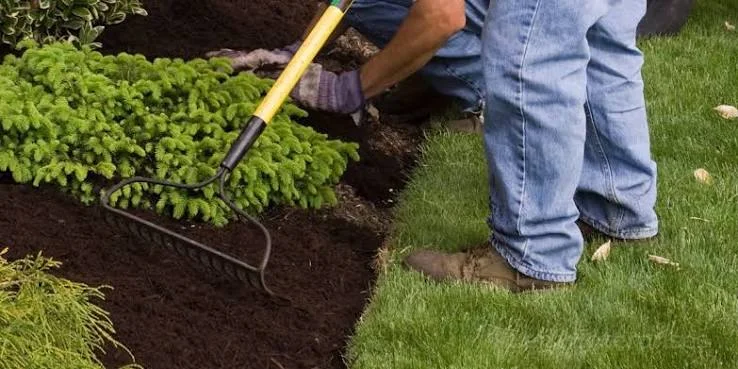
Hot, dry weather is easier on plants when the soil is protected, and roots are encouraged to grow deeply. Add suitable organic matter where needed, apply mulch evenly, and keep mulch a few inches away from stems and tree trunks. Mulch helps moderate soil temperature and slows moisture loss.
- Water deeply when the root zone needs it, rather than relying on frequent shallow sprays.
- Water early in the day when practical, especially during extended heat.
- Give new plants regular attention until their roots become established.
- Use temporary shade cloth for sensitive young plants during severe heat.
Drought-tolerant does not mean water-free. Even resilient plants need appropriate care during their first growing season and during unusually long dry periods.
Manage Heavy Rain And Wet Soil
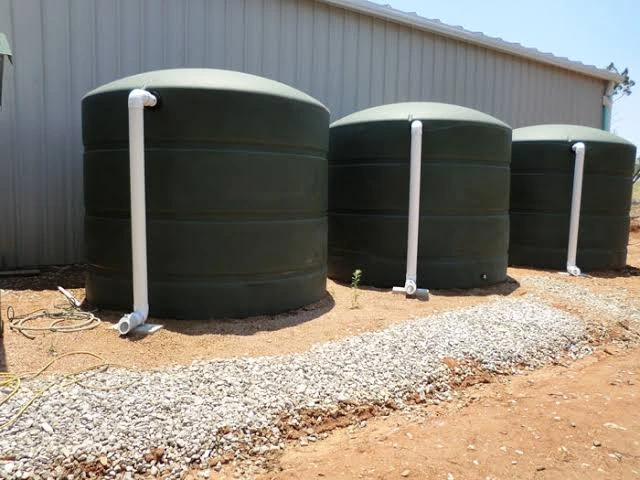
Too much water can be as damaging as too little because saturated soil limits the oxygen available to roots. Avoid walking on wet beds, which compacts the soil further. Use paths to protect planting areas, keep container drainage holes clear, and, when feasible, redirect roof runoff away from beds.
Plants in naturally damp areas should tolerate that moisture rather than fight it. Building healthy soil structure also matters because soil that absorbs and retains water effectively is better able to buffer both heavy rainfall and dry intervals.
Use The Right Garden Supplies
Choose tools based on the tasks your garden requires, not on the longest shopping list. A hand trowel, gloves, measuring tape, plant labels, and clean pruning tools cover most planting and upkeep needs. For watering, an adjustable nozzle, a watering can, a soaker hose, a rain gauge, and a timer can make care more consistent.
Keep mulch, plant supports, frost cloth, and a dry storage bin available for seasonal protection. Simple supplies used well are more valuable than specialty items that sit unused.
Build A Low-Maintenance Routine
A manageable garden depends on small, regular checks. Each week, test soil moisture, inspect leaves for damage, remove broken growth, and look for blocked drainage. Each month, review mulch depth, clean tools, adjust supports, and inspect container plants.
At the start of each season, record what thrived, what struggled, and where the weather caused problems. Those notes make next year’s plant choices far more accurate than relying on memory.
Common Planning Mistakes To Avoid
- Buying plants before measuring the available space.
- Choosing only by flower color instead of site conditions.
- Ignoring mature height and width.
- Watering on a fixed calendar rather than checking the soil.
- Planting too wide, high-maintenance varieties at once.
- Forgetting winter structure after summer flowers fade.
A Final Garden Checklist
- ☐ Measure beds and observe sun, shade, wind, and drainage.
- ☐ Select plants for local conditions and mature size.
- ☐ Balance flowers with foliage, bark, berries, and winter form.
- ☐ Prepare for both drought and heavy rain.
- ☐ Keep essential watering and protection supplies on hand.
- ☐ Follow a simple weekly, monthly, and seasonal routine.
Conclusion
A weather-ready garden begins with observation rather than a rushed shopping trip. By matching plants to the site, caring for the soil, and planning for all four seasons, you can create an outdoor space that stays healthier, more useful, and more appealing through changing weather.