Key Takeaways
- Short movement breaks can help interrupt stiffness from long periods of sitting or standing.
- Comfortable, varied posture is generally more realistic than trying to hold one rigid position all day.
- Walking, basic strength work, and gentle mobility can form a manageable weekly routine.
- Workstation setup, lifting habits, driving, sleep, and recovery all affect day-to-day comfort.
- Severe, persistent, or unusual symptoms deserve guidance from a qualified health professional.
Denver residents balance desk work, mountain recreation, commutes, snow shoveling, gardening, and active weekends. These routines can contribute to stiffness or recurring discomfort, particularly when the body stays in one position for too long. For those seeking local guidance on back, neck, joint, or movement concerns, Denver Chiropractic, LLC offers chiropractic care in Denver, Colorado. Denver Chiropractic, LLC describes a hands-on, drug-free approach to musculoskeletal concerns, including back pain, neck pain, headaches, and joint-related symptoms.
Daily comfort rarely depends on finding one perfect chair, exercise, or sleeping position. More often, it comes from practical habits that fit everyday life in the Denver metro area, such as moving regularly, varying positions, building strength gradually, and seeking an appropriate professional evaluation when symptoms persist or do not improve.
Table of Contents
- Why Daily Movement Matters
- Posture Without Perfection
- Simple Workday Habits
- Safe Lifting and Carrying
- A Simple Weekly Movement Plan
- Sleep and Recovery Habits
- When to Seek Professional Care
Why Daily Movement Matters
Stillness is part of modern life, especially for people who work at a computer, drive between Denver neighborhoods, or spend hours indoors during changing Front Range weather. Yet remaining in the same position can leave muscles feeling tired or stiff. Small breaks are often easier to repeat than relying on a single long workout at the end of a demanding day.
Try attaching movement to routines you already have. Stand up after a phone call, walk around the room while waiting for coffee, or take a two-minute lap between tasks. For a larger goal, the physical activity recommendations for adults include at least 150 minutes of moderate-intensity activity each week and muscle-strengthening activity on at least two days each week. Any increase from an inactive starting point can be a useful beginning.
Posture Without Perfection
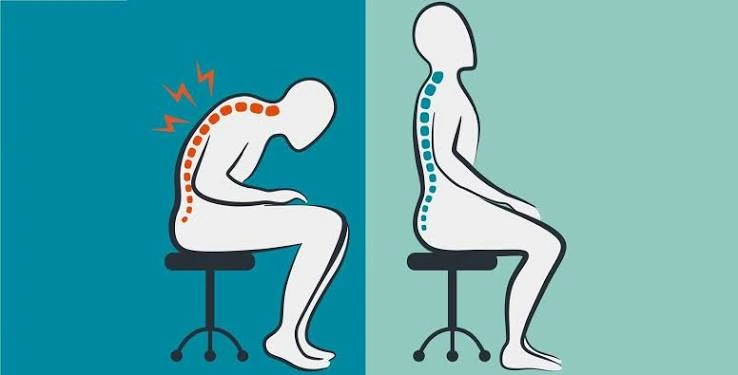
There is no single posture that works for everyone throughout the day. A position that feels fine during a focused 20-minute task may become uncomfortable when held for hours. Rather than forcing the shoulders back or holding the spine rigidly, aim for a comfortable setup and change positions often.
Small adjustments that can reduce unnecessary strain
- Keep frequently used items close enough that you do not repeatedly reach or twist.
- Raise a screen so you are not continually bending the neck forward.
- Relax the shoulders instead of lifting them toward the ears while typing.
- Avoid sitting on a wallet or other bulky item in a back pocket.
- Use the position that feels sustainable, then move again before stiffness builds.
Simple Workday Habits
A supportive work setup does not have to be expensive or complicated. Whether you work downtown, from a home office, or at a kitchen counter, start with the basics: place the monitor at a comfortable height, support both feet when seated, and keep the keyboard and mouse within reach.
- Set a reminder to stand, walk, or stretch lightly every 30 to 60 minutes.
- Alternate concentrated computer work with tasks that let you change position.
- Use a headset or speakerphone rather than pinning a phone between the shoulder and ear.
- When driving, adjust the seat so you can reach the pedals and steering wheel comfortably.
- On longer trips, take safe opportunities to stop, stand, and walk briefly.
Safe Lifting and Carrying
Everyday lifting can be challenging when an object is far from the body or when the person twists while holding it. Before lifting groceries, laundry baskets, gardening supplies, or a small moving box, move close to the item and decide whether to divide it into smaller loads.
Use the hips and knees to lower toward the object, keep it close to the torso, and turn with the feet rather than twisting under load. For example, instead of carrying every grocery bag from the car in one trip, make a second trip. It may take a little longer, but it reduces the need to manage an awkward load while fatigued.
A Simple Weekly Movement Plan
A consistent plan does not require a gym membership or a highly technical program. Start below your current limit, and increase time or effort gradually as your body adapts.
- Most days: Take a 10- to 30-minute walk at a comfortable pace. Denver parks, neighborhood sidewalks, indoor malls, or a treadmill can all work depending on conditions.
- Two days each week: Add simple strength movements such as sit-to-stands, wall push-ups, supported heel raises, or resistance-band rows.
- Daily: Gently move the neck, shoulders, hips, and ankles through comfortable ranges of motion.
- After exercise: Slow down gradually rather than stopping abruptly after a hard effort.
Stop and seek advice if movement causes sharp pain, new numbness, new weakness, or clearly worsening symptoms. A gradual routine should feel challenging at times, but it should not require pushing through alarming symptoms.
Sleep and Recovery Habits
Recovery habits matter because soreness and fatigue can affect how daily activities feel. Regular sleep schedules, adequate hydration, and light movement during a sore period may be more helpful than complete inactivity. Some side sleepers find a pillow between the knees comfortable, while some back sleepers prefer a pillow beneath the knees. The best option is one that allows restful, comfortable sleep.
Heat or cold may provide temporary comfort for some people. They are not substitutes for an assessment when pain persists, recurs frequently, or interferes with normal life. Choose footwear that feels stable and comfortable for the activity at hand, especially when spending long days walking or standing.
When to Seek Professional Care
Mild discomfort that improves with reasonable self-care differs from symptoms that need prompt attention. The National Institute of Arthritis and Musculoskeletal and Skin Diseases advises medical evaluation for back pain associated with tingling or numbness, severe pain that does not improve, pain after a fall or injury, trouble urinating, leg weakness, fever, or unexplained weight loss.
Seek urgent care for sudden weakness, loss of bladder or bowel control, or numbness around the groin. Also arrange an evaluation when pain keeps returning, limits work or daily activities, or follows surgery or a significant injury. Depending on the cause and health history, care may include a medical evaluation, physical therapy, changes in activity, or other treatment options. Choosing a provider should involve discussing credentials, treatment goals, expected benefits, and any relevant medical conditions.
Build Comfort Through Repeatable Habits
Back and neck comfort in Denver is often built through steady, realistic choices rather than one dramatic change. Move more often, adjust daily tasks, lift thoughtfully, build strength over time, and give recovery the attention it deserves. When symptoms are severe, persistent, or unusual, professional guidance can help identify the safest next step.